


BPC-157, TB-500 & GHK-Cu Blend: Regenerative Research
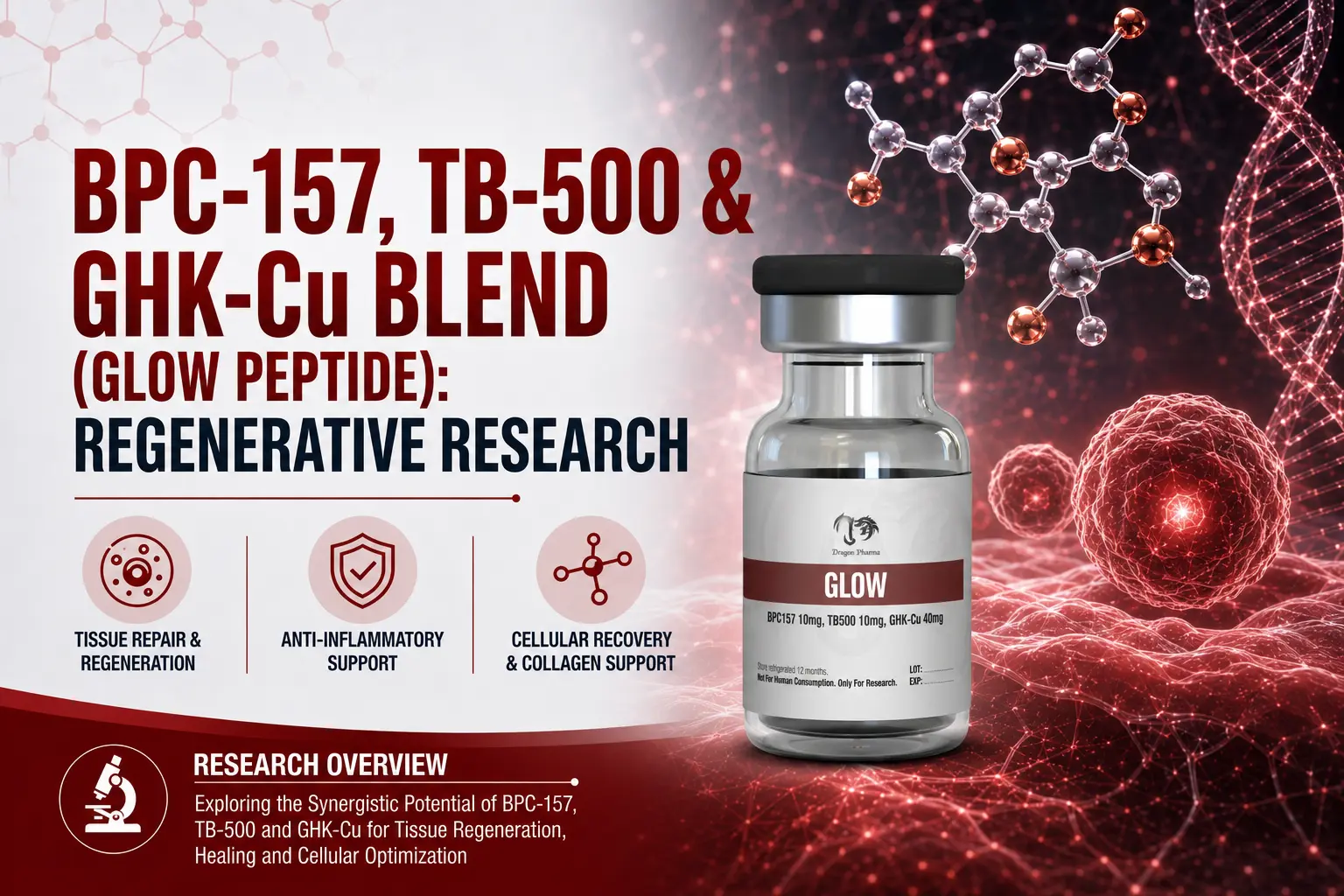
The BPC-157 & TB-500 & GHK-Cu peptide blend, often referred to in research contexts as the "Glow Blend," is a composite investigational formulation combining three structurally distinct peptides studied for cytoskeletal regulation, angiogenic signaling, extracellular matrix remodeling, and copper-mediated coordination chemistry. This article covers each component's proposed mechanism and research findings, and flags several citation and terminology issues found in secondary source material on this blend. It draws on findings covered in more depth across the Dragon Pharma peptide catalog's individual compound research pages, linked throughout below.
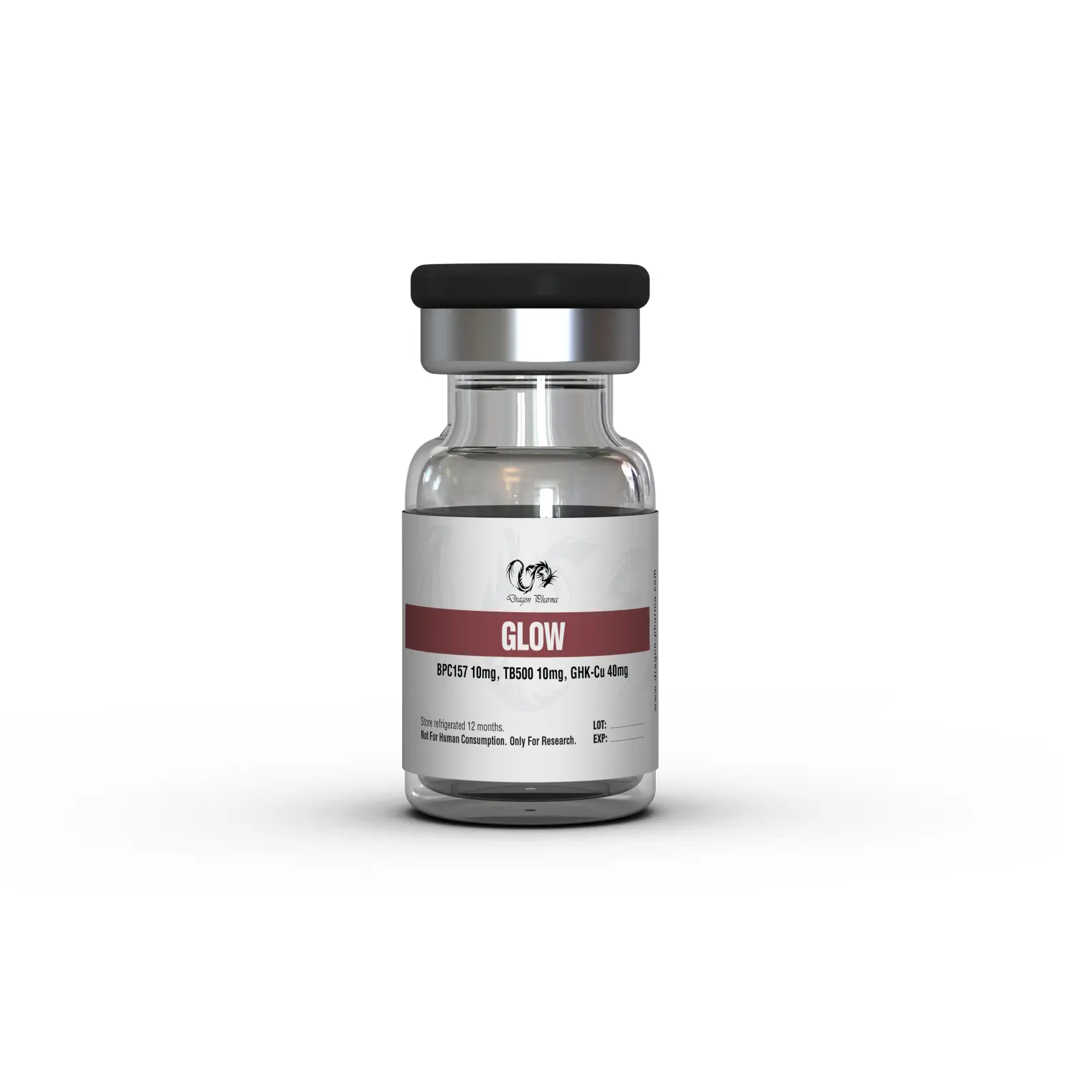
Table of Contents
- Key Facts at a Glance
- Mechanism of Action: Overview
- BPC-157 and Tendon Fibroblast Signaling
- GHK-Cu and Tissue Repair Signaling (Rabbit Study)
- BPC-157 in Systemic Tissue Injury Models
- TB-500 and Inflammation-Associated Signaling (microRNA-146a)
- GHK-Cu and Reactive Oxygen Species (Uncited in Source)
- Evidence Summary by Study
- Storage and Stability
- Frequently Asked Questions
- Key Takeaways
- References
Key Facts at a Glance
| Component | Structure | Primary Research Focus |
|---|---|---|
| BPC-157 | 15-amino-acid fragment of a gastric protective protein | Nitric oxide pathways, growth factor signaling, ECM gene expression |
| TB-500 | Synthetic 43-amino-acid sequence from Thymosin Beta-4 | Actin polymerization, cellular migration, angiogenesis, structural remodeling |
| GHK-Cu | Copper(II)-coordinated tripeptide (Gly-His-Lys) | Redox regulation, metalloproteinase modulation, ECM maintenance |
Evidence type: in vitro fibroblast studies, animal (rabbit) wound models, and preclinical rodent/cell-based signaling research. No human clinical trial data is referenced for this specific three-component blend.
Mechanism of Action: Overview
Each component engages a distinct mechanistic pathway: BPC-157 is proposed to modulate nitric oxide and growth factor signaling, TB-500 supports cytoskeletal actin dynamics, and GHK-Cu functions through copper-dependent redox and transcriptional mechanisms.
BPC-157 has been investigated for interactions with endothelial nitric oxide synthase and VEGF-associated cascades, with research suggesting modulation of nitric oxide availability and growth factor receptor signaling under cellular stress conditions [4]. TB-500, derived from Thymosin Beta-4, binds globular actin and supports actin filament assembly, contributing to cytoskeletal reorganization, cellular migration, and angiogenic signaling. GHK-Cu's coordinated copper ion is proposed to participate in redox activity and transcriptional regulation, with experimental findings suggesting modulation of metalloproteinase expression, collagen-related gene activity, and antioxidant enzyme systems [5].
Collectively, the blend is proposed as a framework for studying cross-talk between cytoskeletal remodeling, nitric oxide signaling, growth factor pathways, and copper-dependent gene regulation relevant to tissue remodeling and regenerative biochemistry.
BPC-157 and Tendon Fibroblast Signaling
An in vitro study evaluated BPC-157's effects on tendon-derived fibroblasts isolated from murine tissue, comparing baseline cultures with peptide-exposed cultures. Peptide-treated groups showed altered fibroblast expansion and spatial organization. Under hydrogen-peroxide-induced oxidative stress, BPC-157-exposed fibroblasts showed greater survival relative to untreated controls, and migration assays indicated enhanced cellular motility. Immunoblot analysis indicated increased phosphorylation of PAK and paxillin following exposure, with total protein levels remaining stable — suggesting the peptide supports intracellular signaling primarily through post-translational regulation of FAK/paxillin-associated pathways governing F-actin assembly, adhesion, and directional movement [1].
GHK-Cu and Tissue Repair Signaling
Correction: the study described in this section is Cangul et al. (2006), listed as reference [8] in the source material's own reference list — not reference [6] as the source text incorrectly cited (reference [6] is an unrelated PubChem compound summary for Thymosin Beta 4).
Standardized tissue injuries were created in New Zealand White rabbits, stratified into cohorts receiving GHK-Cu, zinc oxide, or a neutral control formulation, with tissue progression monitored via histological and structural assessment. The GHK-Cu group showed more organized collagen architecture and repair-associated structural features relative to comparator groups. A related comparison against helium-neon laser stimulation in analogous wound models suggested GHK-Cu exposure was associated with moderated neutrophil infiltration alongside increased markers of neovascular development — consistent with a role in regulating inflammatory signaling and angiogenic processes during tissue remodeling [6].
BPC-157 in Systemic Tissue Injury Models
Research synthesizing BPC-157's angiogenic and cytoprotective properties across diverse animal tissue injury models — including gastrointestinal mucosal lesions, pancreatic and hepatic injury, cardiac tissue impairment, endothelial disruption, and vascular pressure disturbances — suggests its biological activity may extend beyond localized tissue interaction, potentially engaging broader regulatory networks coordinating repair and vascular responses [4]. Proposed contributing mechanisms include modulation of inflammatory mediators, wound-associated molecular signaling, and pathways relevant to bone and connective tissue remodeling, alongside interactions with dopaminergic signaling, nitric oxide pathways, prostaglandin cascades, and somatosensory networks — broadly consistent with the multi-system findings covered in more depth in our companion article on BPC-157's signaling mechanisms.
TB-500 and Inflammation-Associated Signaling: microRNA-146a
Correction: this section's citation is Santra et al. (2014), listed as reference [7] in the source material — not reference [8] as the source text incorrectly cited (reference [8] is actually the GHK-Cu rabbit study above).
This study examined Thymosin Beta-4's interaction with microRNA-mediated inflammatory control mechanisms, focusing on post-transcriptional regulation of cytokine-related signaling. Thymosin Beta-4 exposure was associated with altered expression of microRNA-146a, a regulatory microRNA known to interact with intracellular adaptor proteins IRAK1 and TRAF6, both involved in cytokine-dependent signal transduction and downstream NF-κB-related responses. Functional analysis found that suppressing microRNA-146a expression reversed Thymosin Beta-4's inhibitory effect on IRAK1 and TRAF6 signaling activity — indicating microRNA-146a is mechanistically required for this anti-inflammatory effect, and positioning TB-500 as a relevant model for studying microRNA-driven control of inflammatory signaling networks [7].
GHK-Cu and Reactive Oxygen Species (Uncited in Source Material)
Important: this specific study is not supported by any citation in the source material provided. No reference [9] exists in the accompanying reference list. This content should not be published without locating and verifying the actual source.
The source material describes an in vitro investigation into GHK's activity in cellular models under oxidative stress, reporting flow cytometric evidence of reduced intracellular reactive oxygen species during oxidative challenge, and electron spin resonance spin trapping data suggesting preferential GHK interaction with hydroxyl and peroxyl radicals over superoxide-related species. These are plausible findings consistent with GHK-Cu's broader antioxidant research profile, but without a verifiable citation, they should be treated as unconfirmed pending your team locating the actual primary source.
Evidence Summary by Study
| Research Finding | Model | Evidence Tier |
|---|---|---|
| BPC-157 PAK/paxillin phosphorylation, fibroblast migration | Murine tendon fibroblasts (in vitro) | In vitro |
| GHK-Cu collagen architecture, wound repair | New Zealand White rabbits | Animal |
| BPC-157 multi-organ/systemic signaling | Synthesized from preclinical animal literature (review) | Secondary literature (review) |
| TB-500/microRNA-146a inflammatory regulation | Preclinical rodent/cell-based models | Animal / in vitro |
| GHK-Cu ROS/radical scavenging | Unspecified in vitro cellular model | Uncited — no verifiable source |
Storage and Stability
As with other research peptides, proper storage and handling are essential to preserving structural integrity and experimental reliability.
| Condition | Recommendation |
|---|---|
| Lyophilized form | Store frozen (-20°C) for long-term stability |
| Reconstituted solution | Refrigerate (2–8°C); use within the research protocol's defined window |
| Light exposure | Store protected from light |
| Handling | Avoid repeated freeze-thaw cycles to preserve peptide integrity |
Frequently Asked Questions
What is the BPC-157, TB-500, and GHK-Cu blend?
Also known as the "Glow Blend," it combines three peptides studied for complementary mechanisms: BPC-157 (nitric oxide/growth factor signaling), TB-500 (actin cytoskeletal dynamics), and GHK-Cu (copper-mediated redox and ECM regulation).
How does BPC-157 affect tendon fibroblasts?
In vitro research found BPC-157 increases PAK and paxillin phosphorylation in tendon-derived fibroblasts, associated with improved survival under oxidative stress and enhanced migration.
What does TB-500 do mechanistically?
TB-500 binds globular actin and supports actin filament assembly, contributing to cytoskeletal reorganization, cell migration, and angiogenic signaling; it has also been linked to microRNA-146a-mediated anti-inflammatory signaling.
What did the GHK-Cu rabbit wound study find?
In a controlled rabbit study, GHK-Cu treatment was associated with more organized collagen architecture, reduced neutrophil infiltration, and increased neovascularization markers compared to zinc oxide and control groups.
Is there human clinical trial data for this specific blend?
No. Evidence referenced for this three-component blend is preclinical — in vitro fibroblast studies and animal (rabbit, rodent) models. No human trial data specific to this combination is cited in the source material.
What is microRNA-146a's role in TB-500 research?
Research suggests Thymosin Beta-4 upregulates microRNA-146a, which suppresses IRAK1/TRAF6 inflammatory signaling; blocking microRNA-146a reverses this anti-inflammatory effect, indicating it is mechanistically required.
Is the GHK-Cu antioxidant/ROS research verified?
No confirmed citation supports this specific claim in the source material reviewed for this article. It should be treated as unconfirmed until a verifiable primary source is located.
How does GHK-Cu support extracellular matrix regulation?
Its coordinated copper ion is proposed to participate in redox activity and transcriptional regulation, with research suggesting modulation of metalloproteinase expression, collagen-related gene activity, and antioxidant enzyme systems.
Has BPC-157 been studied beyond the gut?
Yes. Preclinical research has examined BPC-157 across gastrointestinal, pancreatic, hepatic, cardiac, vascular, and neurotransmitter-related systems, suggesting activity beyond localized gastrointestinal tissue.
Key Takeaways
- This blend pairs BPC-157 (nitric oxide/growth factor signaling), TB-500 (actin cytoskeletal dynamics), and GHK-Cu (copper-mediated redox/ECM regulation) as complementary regenerative-research tools.
- Two citation numbering errors were found and corrected in this rewrite: the GHK-Cu rabbit study and the TB-500 microRNA-146a study were cross-referenced to the wrong sources in the original material.
- One specific claim — GHK-Cu's antioxidant/ROS scavenging activity via flow cytometry and ESR spin trapping — has no supporting citation in the provided source material and should not be published without verification.
- All available evidence for this three-component blend is preclinical: in vitro fibroblast work and animal (rabbit, rodent) models. No human clinical trial data specific to this blend combination exists.
- Individual components have deeper standalone research coverage in our companion articles on BPC-157 signaling mechanisms, TB-500, and copper peptides.
References
- Chang CH, Tsai WC, Lin MS, Hsu YH, Pang JHS. The promoting effect of pentadecapeptide BPC-157 on tendon healing involves tendon outgrowth, cell survival, and cell migration. J Appl Physiol. 2011;110(3):774-80. https://pubmed.ncbi.nlm.nih.gov/21030672/
- Kleinman HK, Sosne G. Thymosin β4 Promotes Dermal Healing. Vitam Horm. 2016;102:251-75. https://pubmed.ncbi.nlm.nih.gov/27450738/
- Pickart L, Margolina A. Regenerative and Protective Actions of the GHK-Cu Peptide in the Light of the New Gene Data. Int J Mol Sci. 2018;19(7):1987. https://www.ncbi.nlm.nih.gov/pmc/articles/PMC6073405/
- McGuire FP, Martinez R, Lenz A, Skinner L, Cushman DM. Regeneration or Risk? A Narrative Review of BPC-157 for Musculoskeletal Healing. Curr Rev Musculoskelet Med. 2025;18(12):611-619. https://pmc.ncbi.nlm.nih.gov/articles/PMC12446177/
- Pickart L, Vasquez-Soltero JM, Margolina A. GHK Peptide as a Natural Modulator of Multiple Cellular Pathways in Skin Regeneration. Biomed Res Int. 2015;2015:648108. https://pmc.ncbi.nlm.nih.gov/articles/PMC4508379/
- Cangul IT, Gul NY, Topal A, Yilmaz R. Evaluation of the effects of tripeptide-copper complex and zinc oxide on open-wound healing in rabbits. Vet Dermatol. 2006;17(6):417-23. https://pubmed.ncbi.nlm.nih.gov/17083573/ (Corrected from source's mismatched citation [6]; this is the source's reference [8].)
- Santra M, Zhang ZG, Yang J, et al. Thymosin β4 up-regulation of microRNA-146a promotes oligodendrocyte differentiation and suppression of the Toll-like proinflammatory pathway. J Biol Chem. 2014;289(28):19508-19518. https://doi.org/10.1074/jbc.M113.529966 (Corrected from source's mismatched citation [8]; this is the source's reference [7].)
- National Center for Biotechnology Information. PubChem Compound Summary for CID 45382195, Thymosin Beta 4. 2026. https://pubchem.ncbi.nlm.nih.gov/compound/Thymosin-beta-4
Articles
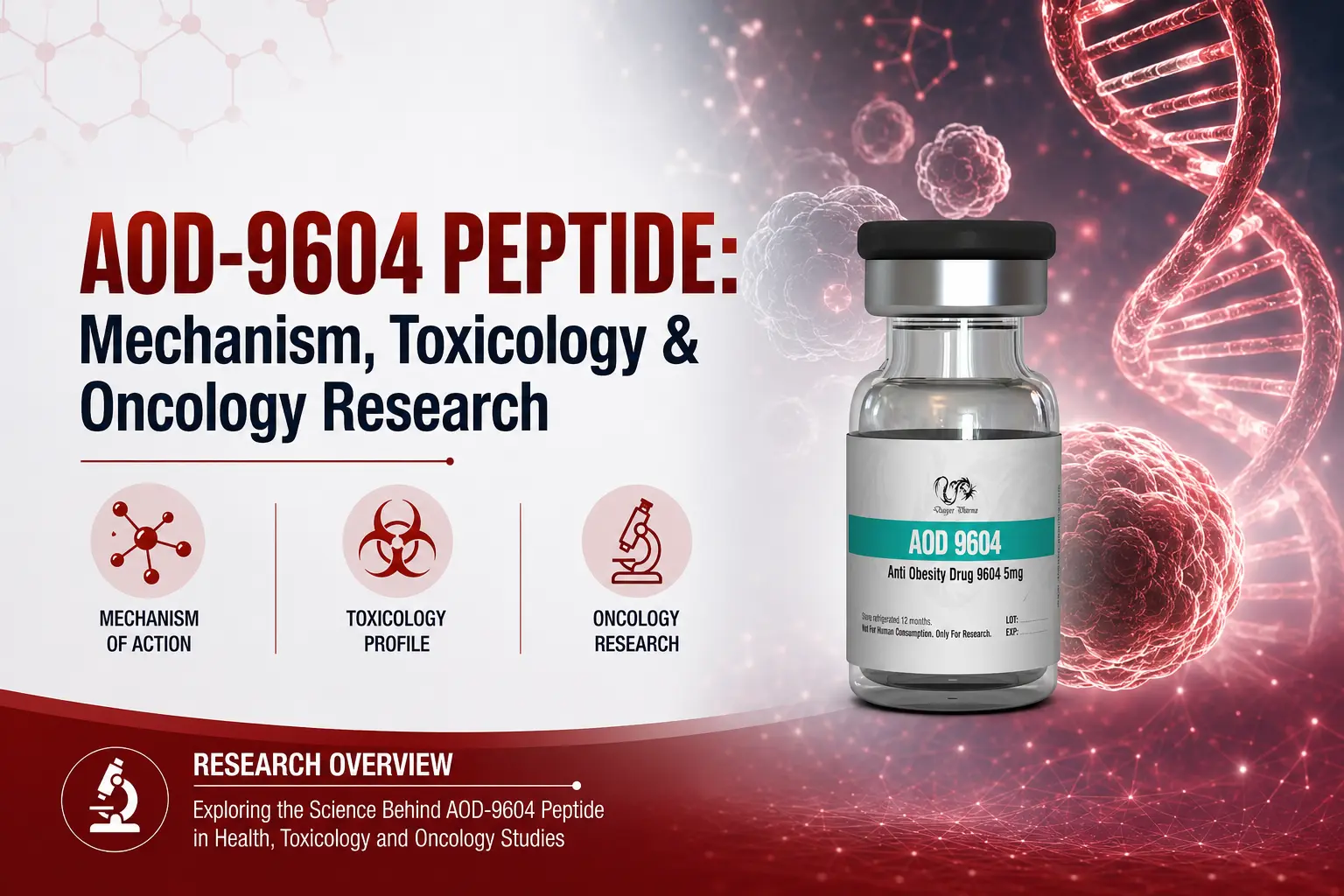
AOD-9604 was developed by researchers at Monash University, Australia, who identified the C-terminal fragment of hGH as the domain responsible for its lipolytic activity, distinct from the N-terminal/central domains responsible for receptor binding and IGF-1 stimulation.
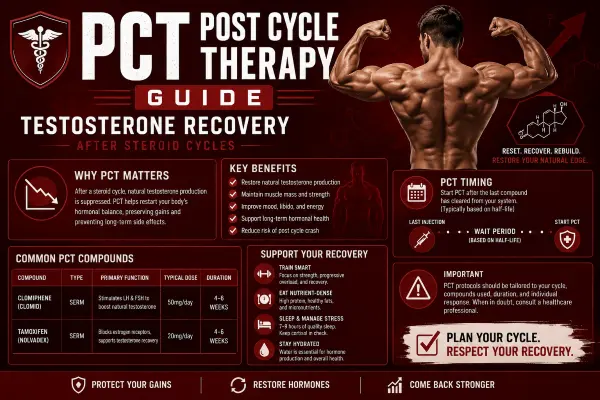
Post Cycle Therapy (PCT) is the recovery phase following an anabolic steroid cycle. Its primary goal is to restore natural testosterone production, regulate estrogen levels, and help preserve muscle mass gained during the cycle.
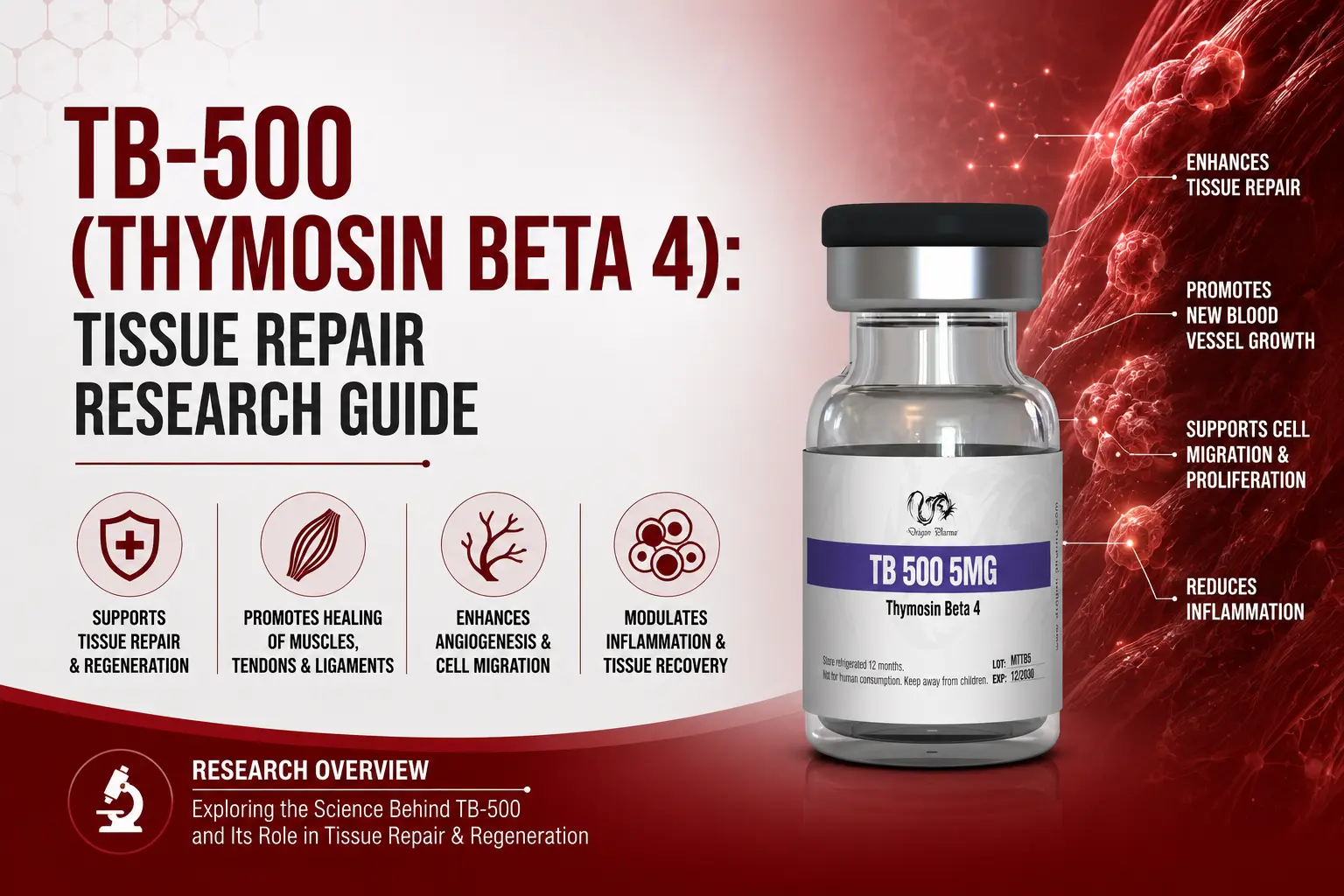
Although laboratory research has explored the potential biological functions of Thymosin Beta 4, TB-500 remains an investigational research compound and is not approved as a therapeutic treatment.
Customer Reviews
Please leave your review on products or service below.
Thank you beforehand.