


Articles

The number 400 generally refers to a total concentration of approximately 400 mg of testosterone esters per milliliter. However, this doesn't necessarily mean that every milliliter contains 400 mg of active, unmodified testosterone because the ester molecules contribute to the total weight.
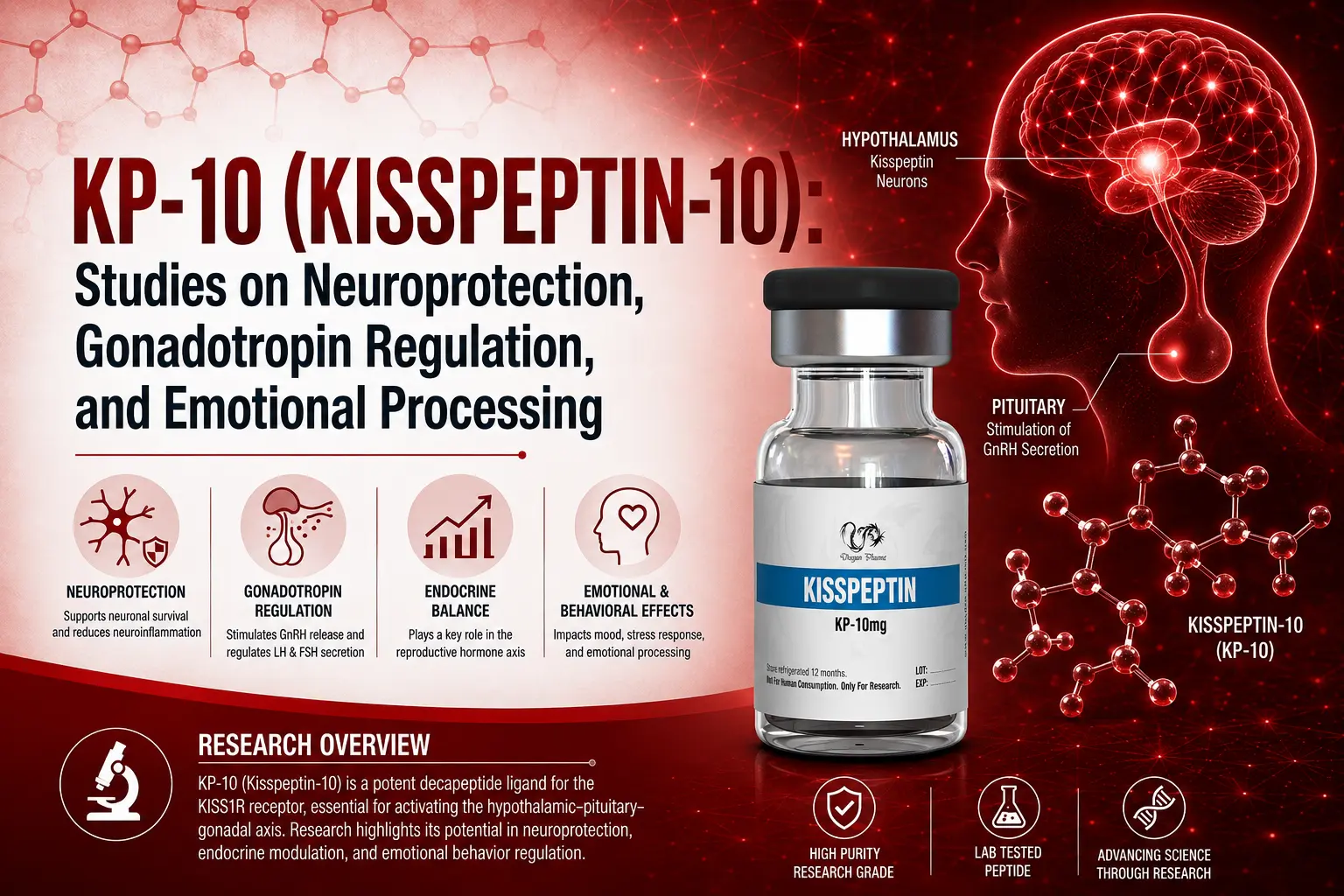
This article covers its role as an endogenous GPR54 (KISS1R) ligand regulating the hypothalamic-pituitary-gonadal axis, its emerging neuroprotective research, and its studied effects on appetite and emotional/sexual brain processing—including a correction where human clinical data was found labeled as "murine models" in the source material, alongside a species contradiction (mice don't have a menstrual cycle) that revealed the mislabeling.

Selank combines the Tuftsin fragment at its N-terminus with a Pro-Gly-Pro (PGP) motif at its C-terminus, a design intended to improve metabolic stability and prolong half-life relative to native Tuftsin. The PGP sequence is suggested to influence the peptide's physiochemical interaction with lipid-rich biological membranes. Research suggests Selank may exert modulatory effects on immunological processes, with potential interactions involving T helper cells and IL-6 signaling.
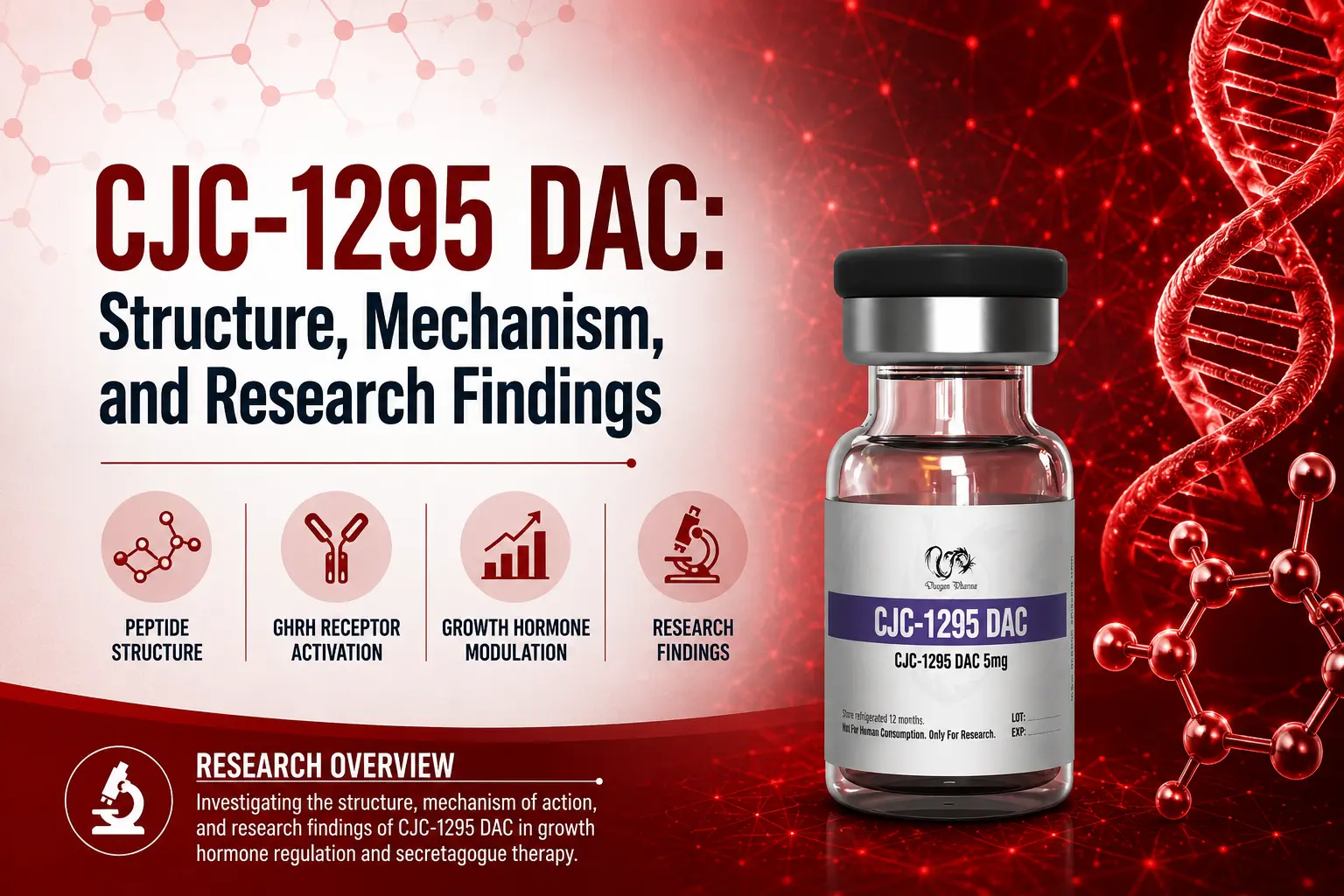
This article covers its structure, mechanism, and research findings — including human clinical trial data, GHRH-knockout mouse research, and corrections to two citation issues found in the source material, one involving a duplicated/misattached reference and one involving a pharmacokinetic claim sourced to a study that isn't actually a pharmacology paper.
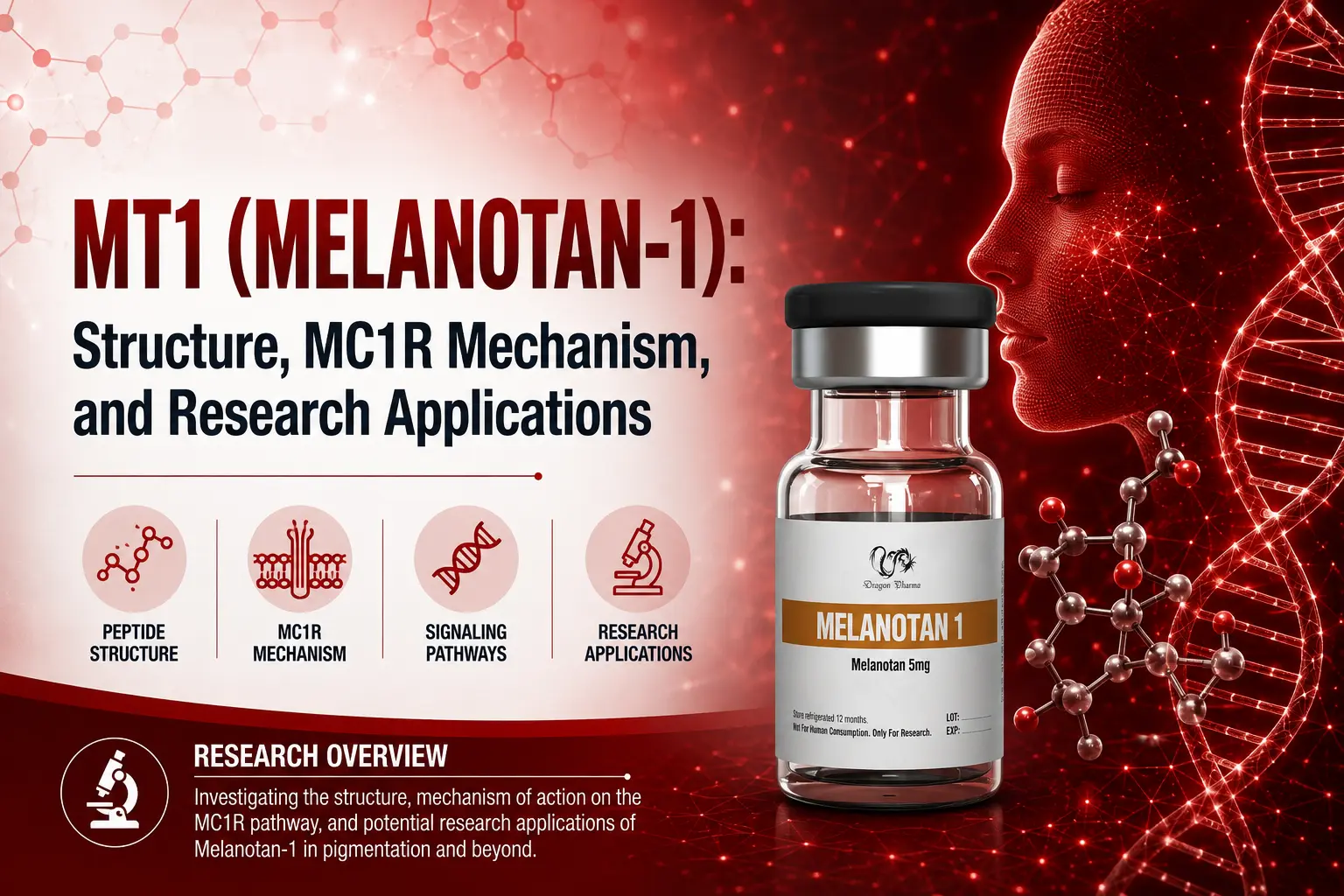
MT1 is hypothesized to act primarily through MC1R, a Gs-coupled receptor expressed predominantly on melanocytes, triggering a cAMP-driven signaling cascade that promotes eumelanin synthesis.
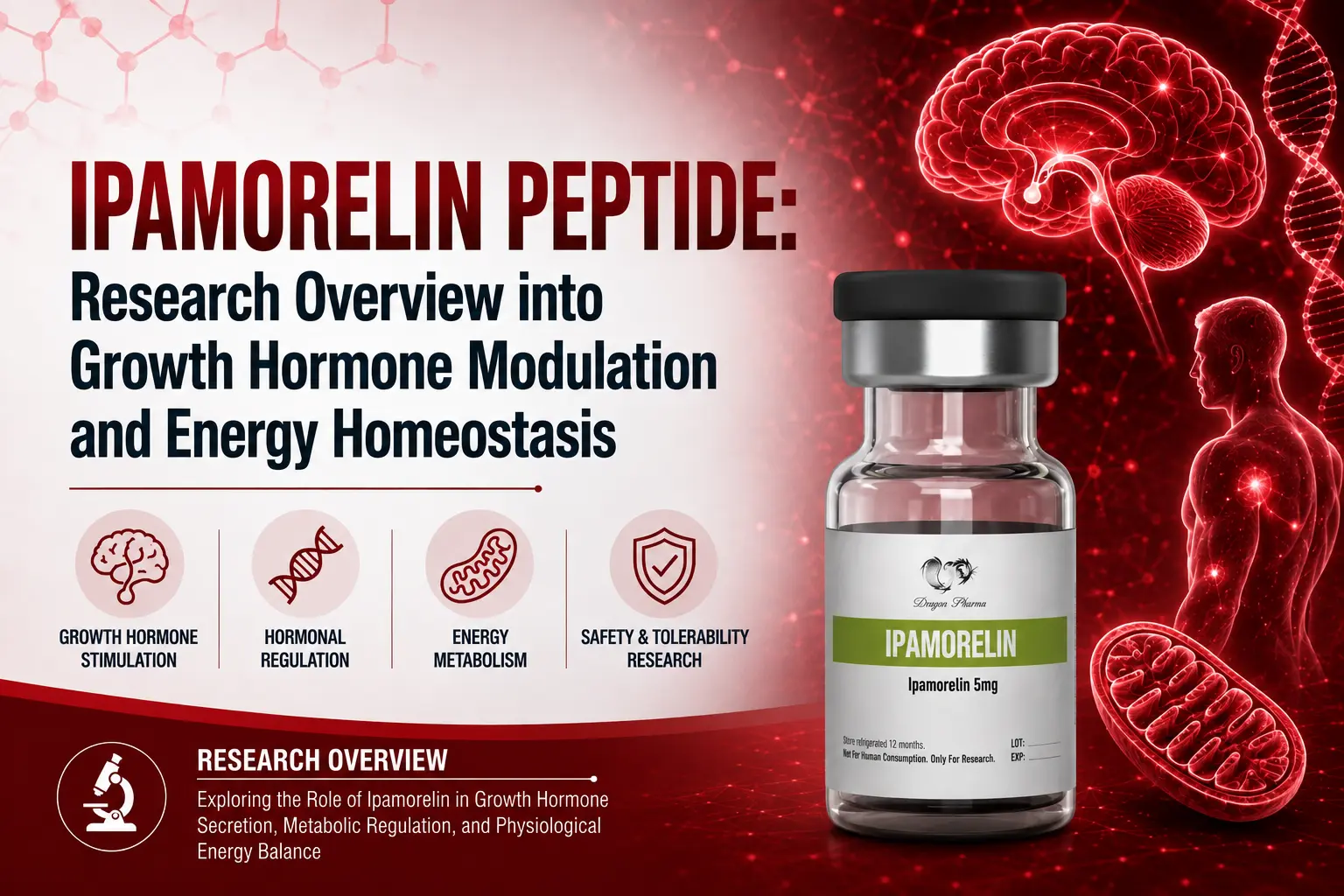
This article covers its receptor mechanism, evidence across bone, nitrogen, and energy-balance research, and corrects a significant framing issue in secondary literature: a human pharmacokinetic trial in this compound's own history is commonly described as testing "mammalian models" rather than the human volunteers it actually involved.
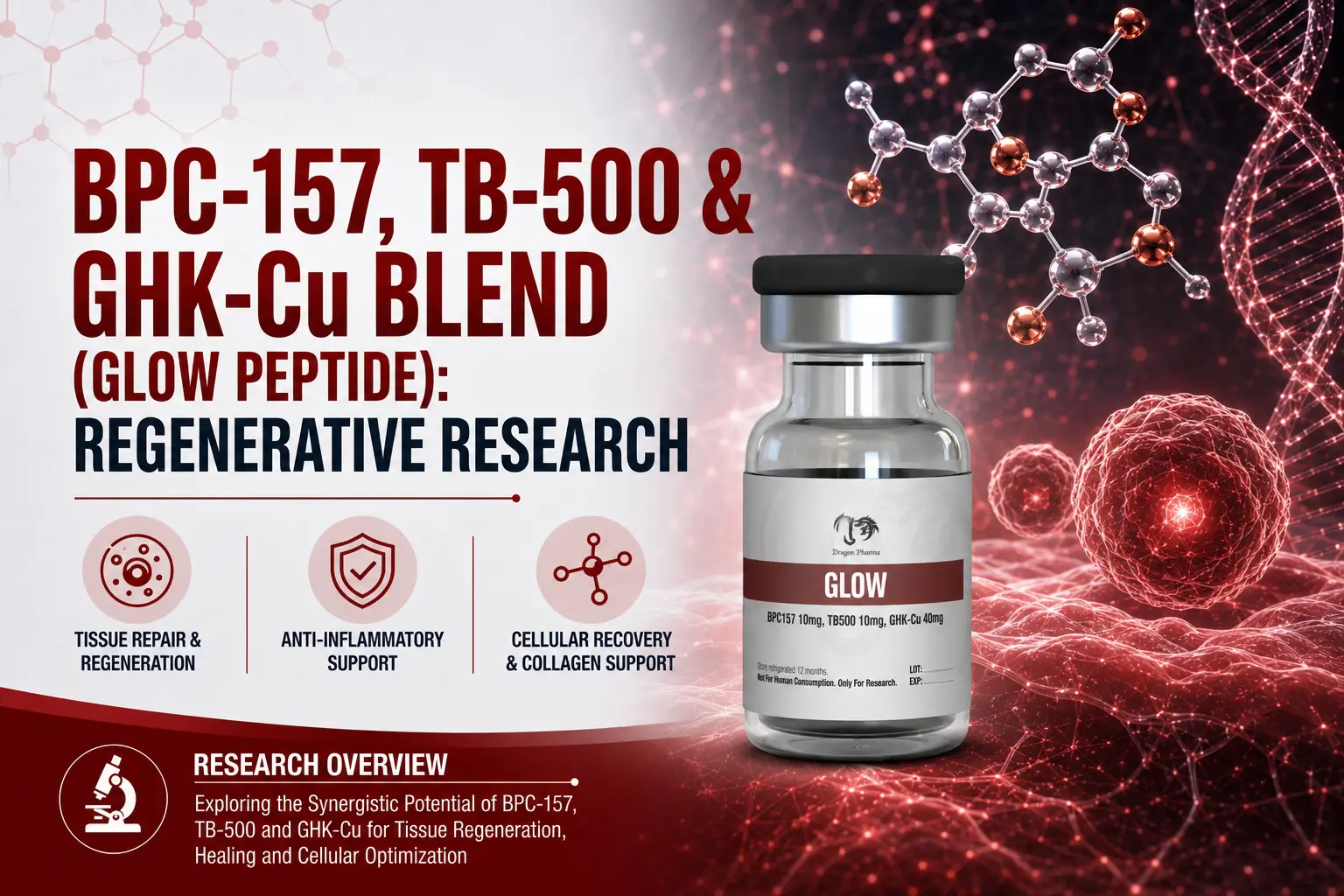
This article covers each component's proposed mechanism and research findings, and flags several citation and terminology issues found in secondary source material on this blend. It is part of the broader peptide research library maintained by Dragon Pharma Peptides.
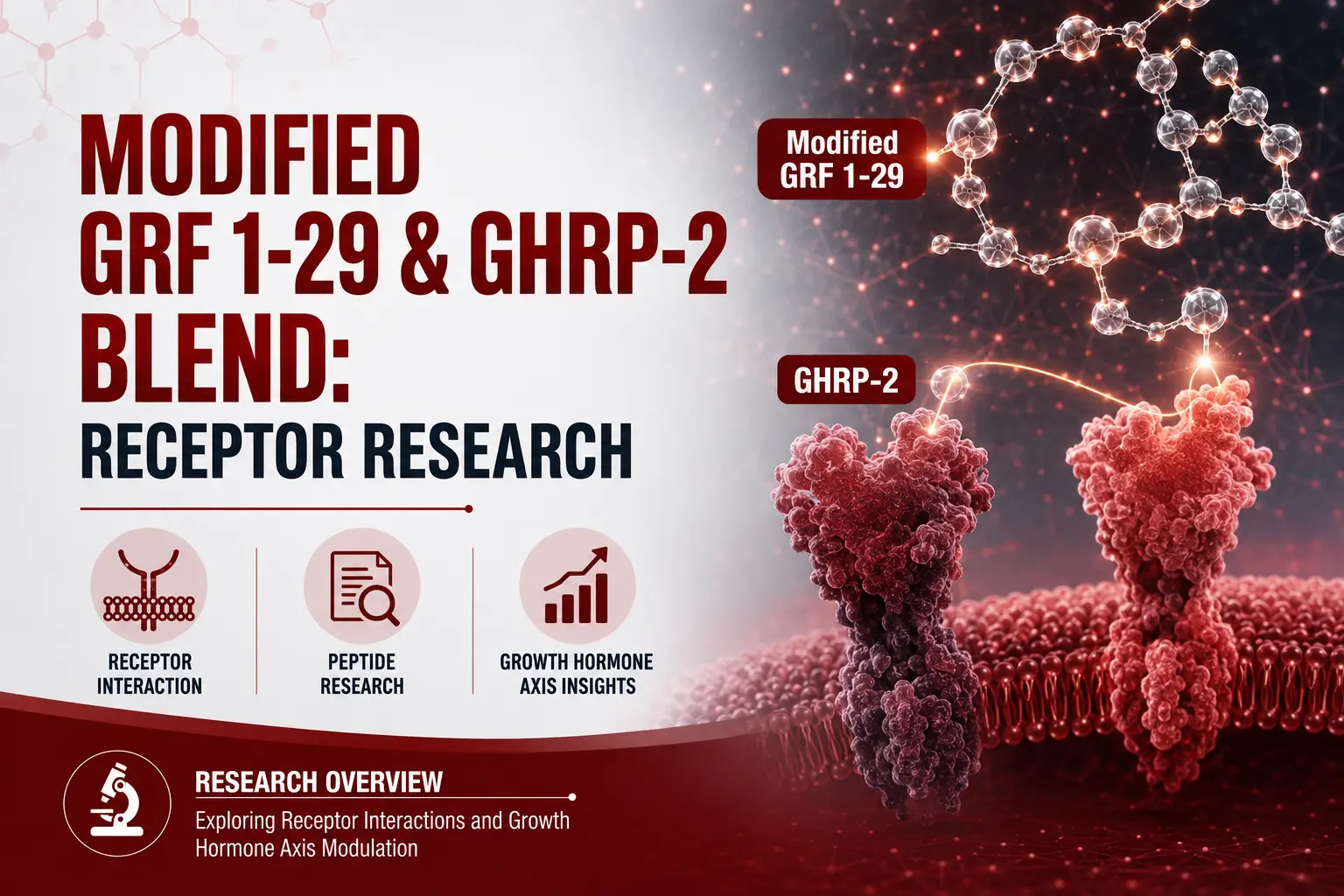
Unlike many research peptides, GHRP-2 carries a substantial human clinical trial history — spanning GH-deficient children, adults with genetic GHRH-R mutations, and healthy-volunteer studies — though much of that history is obscured in secondary sources under vague "mammalian model" language. This article corrects that framing and organizes the mechanism and evidence by actual study population.
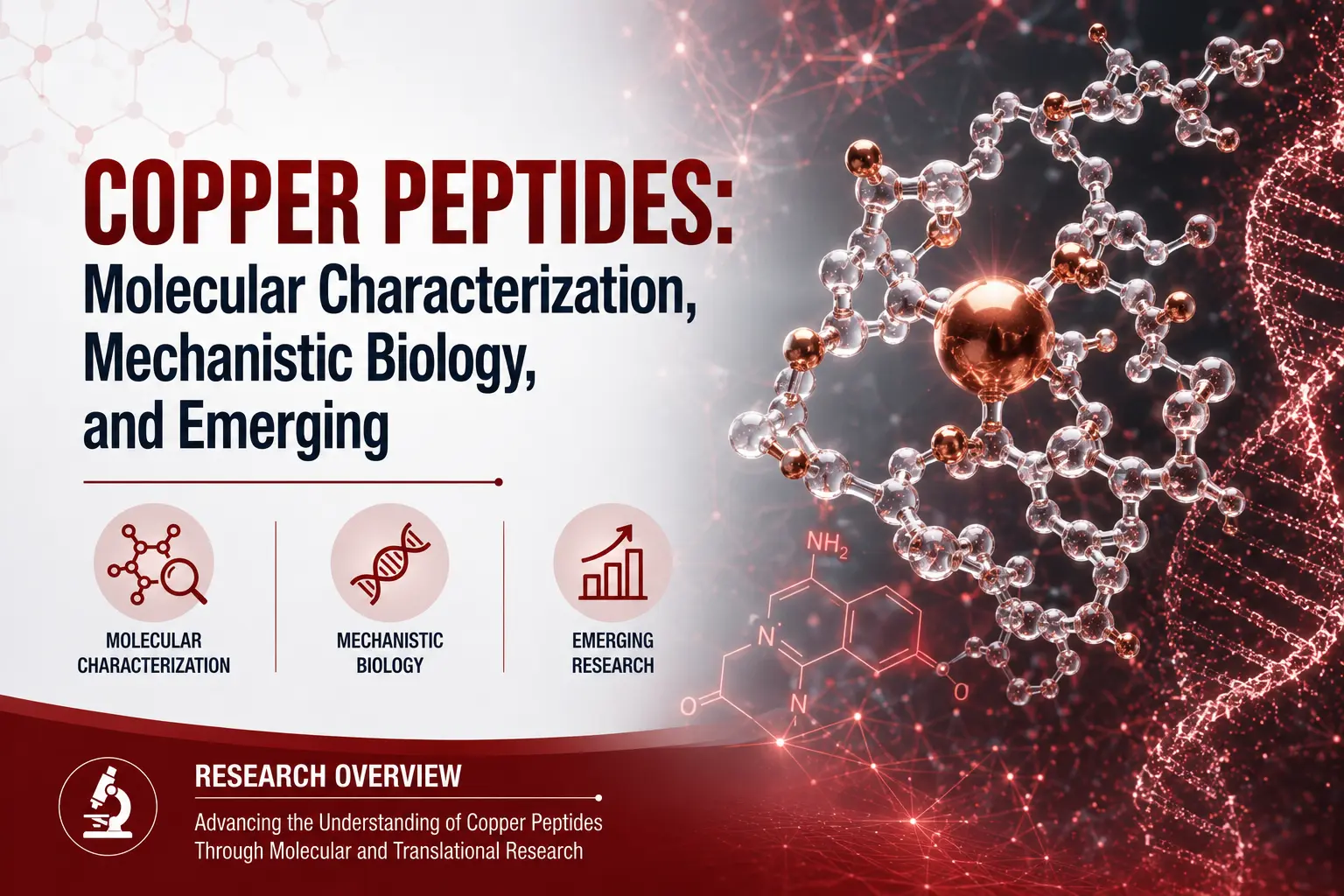
This article covers their coordination chemistry, proposed mechanisms, and research findings across evidence tiers — including one genuine human clinical trial that source material often obscures under vague "subjects" language.
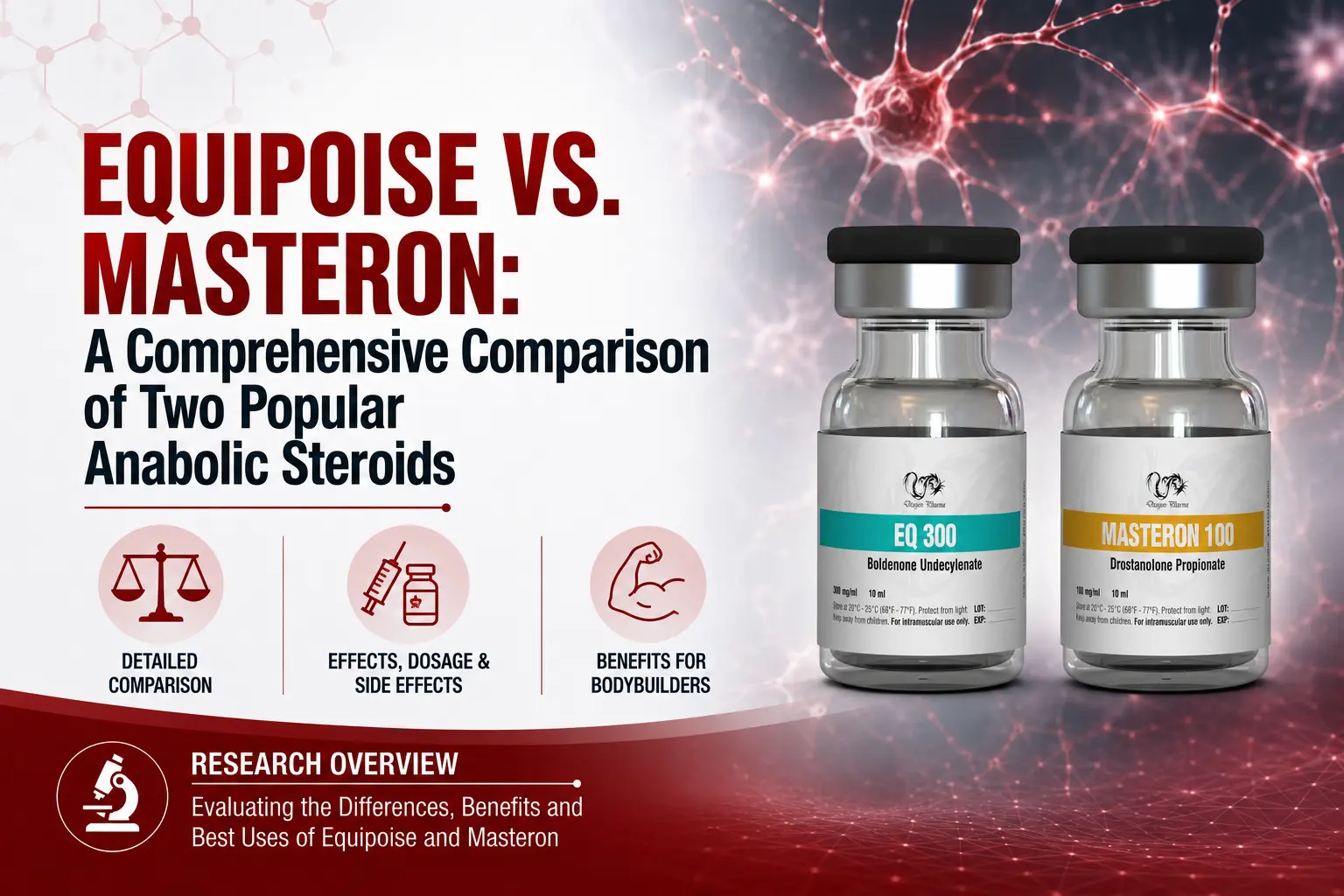
Although both compounds are designed to promote anabolic activity, they differ significantly in their chemical structure, effects on muscle development, and typical applications during training cycles.
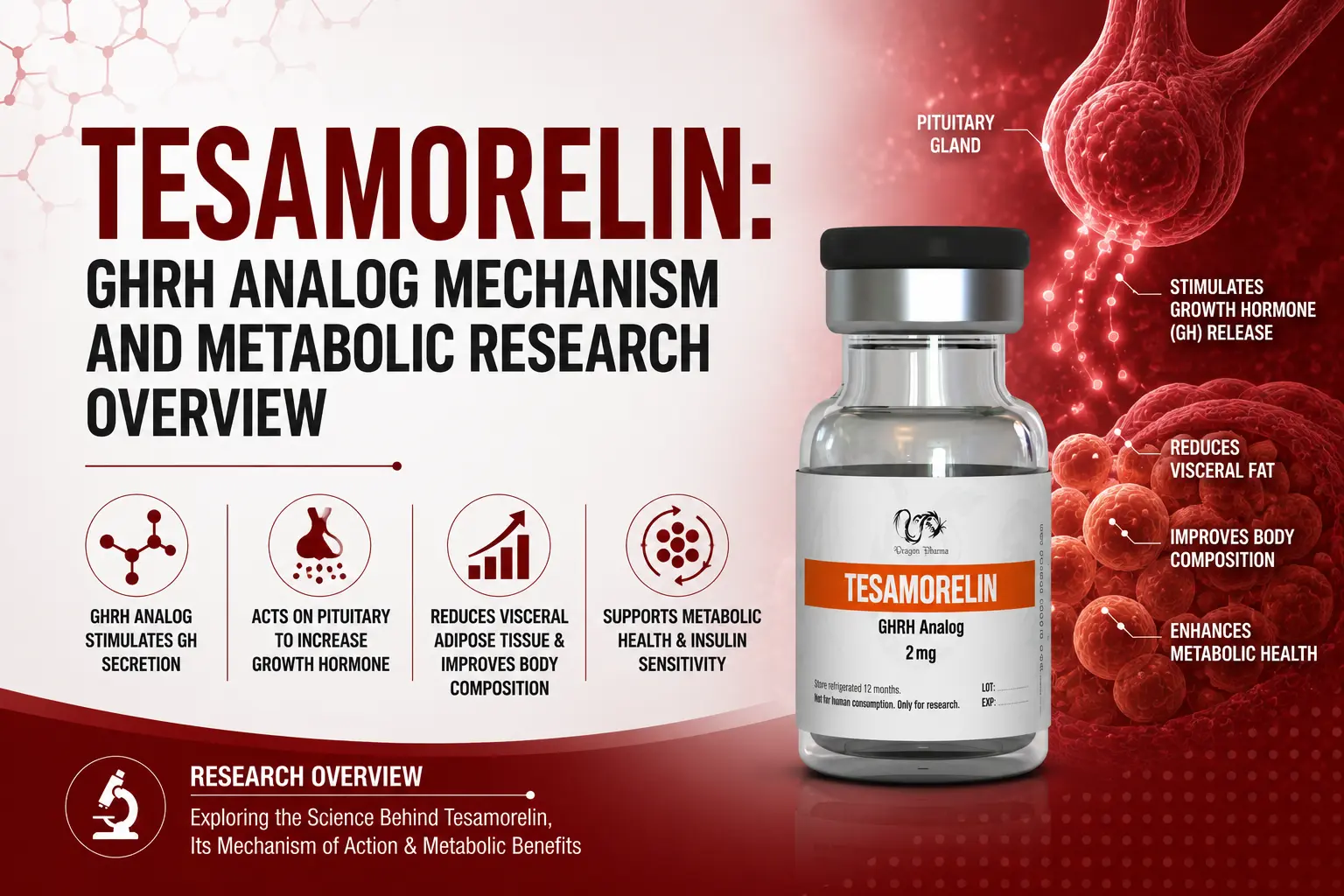
It is distinguished from most research peptides by an unusually strong human clinical trial record, including multiple Phase III studies. This article organizes its molecular identity, proposed mechanism, and clinical research findings, with direct links to the primary literature.
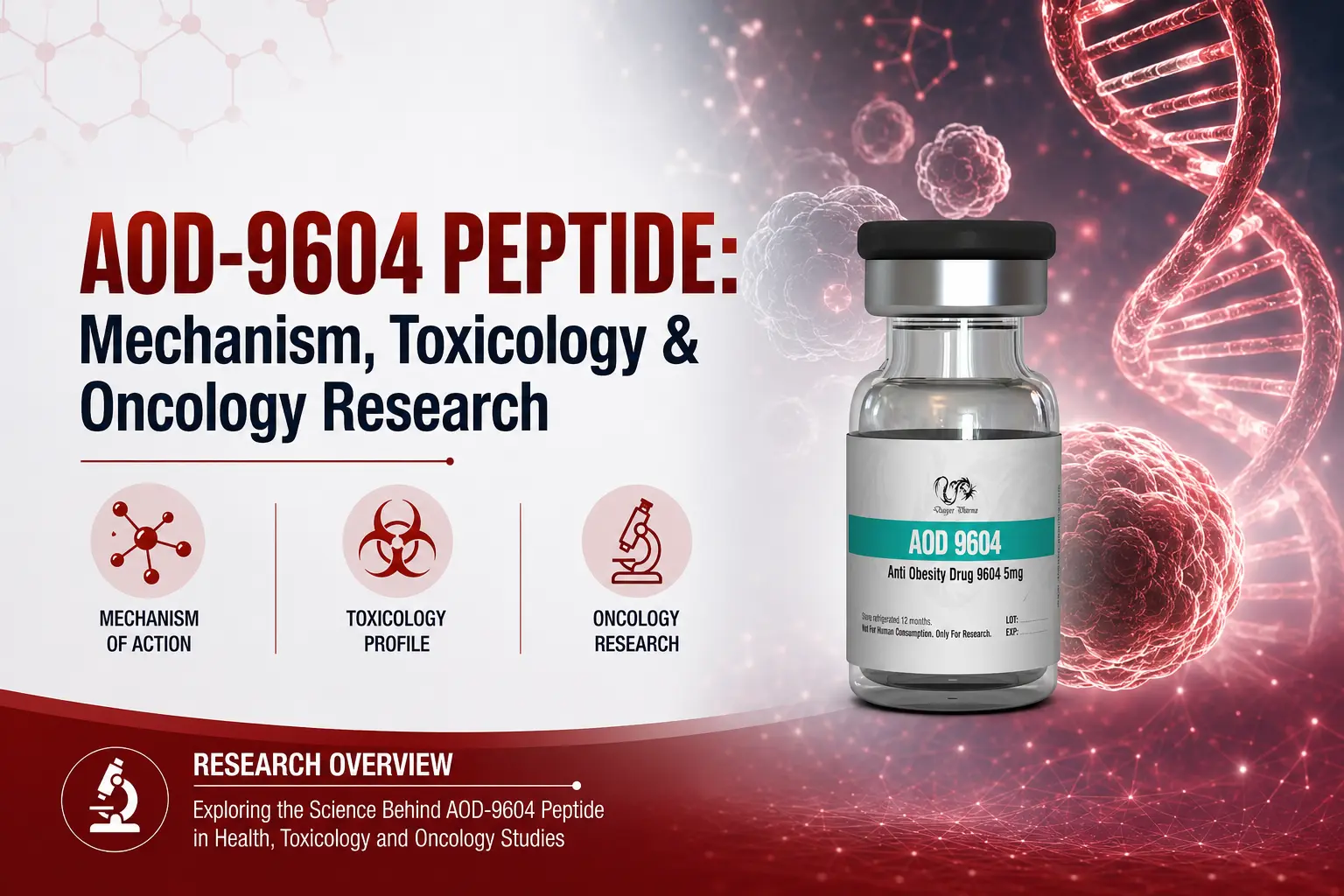
AOD-9604 was developed by researchers at Monash University, Australia, who identified the C-terminal fragment of hGH as the domain responsible for its lipolytic activity, distinct from the N-terminal/central domains responsible for receptor binding and IGF-1 stimulation.
Customer Reviews
Please leave your review on products or service below.
Thank you beforehand.