


TB-500 (Thymosin Beta 4): Tissue Repair Research Guide
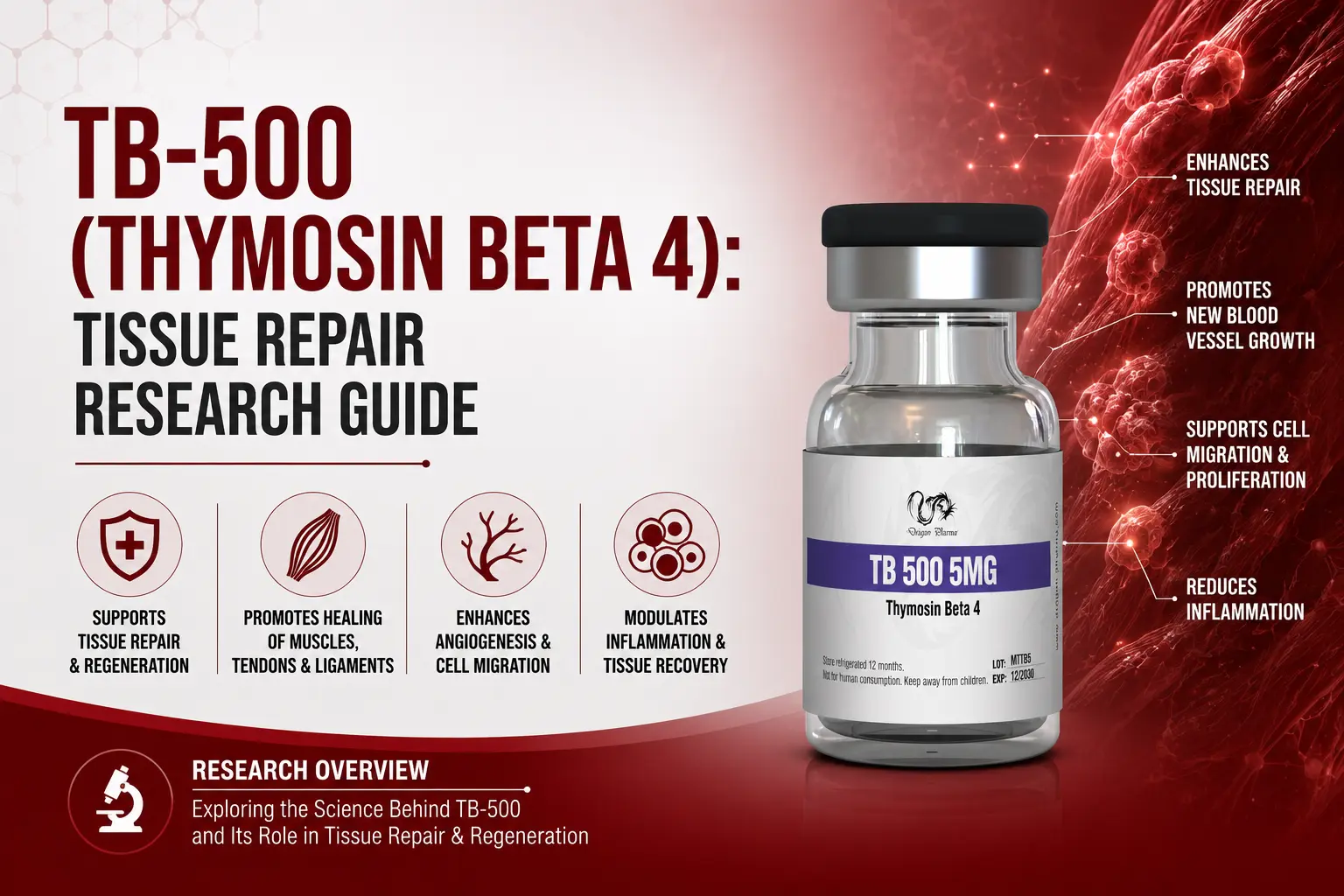
TB-500 peptide is a synthetic research peptide modeled after Thymosin Beta 4 (Tβ4), a naturally occurring protein involved in cellular repair through actin regulation. It has drawn substantial research interest for its proposed role in cell migration, angiogenesis, tissue remodeling, and inflammatory signaling. This article organizes the current evidence by mechanism, tissue type, and evidence strength, distinguishing laboratory, animal, and human data throughout.
Key Facts at a Glance
| Property | Detail |
|---|---|
| Peptide name | TB-500 |
| Natural counterpart | Thymosin Beta 4 (Tβ4) |
| Amino acids | 43 |
| Molecular weight | ~4.9 kDa |
| Primary research areas | Tissue repair, angiogenesis, inflammation, fibrosis, stem cell biology |
| Research status | Laboratory and preclinical (animal) research |
| Approved medical use | None |
What Is TB-500?
TB-500 is a synthetic peptide derived from Thymosin Beta 4, a protein naturally distributed across nearly all mammalian tissue types except mature red blood cells. It belongs to the thymosin family of peptides and is primarily researched for its role in regulating cellular structure through interactions with actin, one of the body's core structural proteins.
Researchers use TB-500 because it reproduces many of the biological properties associated with natural Thymosin Beta 4 while offering more practical handling for laboratory investigation.
How Does TB-500 Work?
TB-500's proposed mechanism centers on regulating actin dynamics — the cytoskeletal processes that allow cells to migrate, divide, and respond to injury.
Thymosin Beta 4 binds to globular actin (G-actin), regulating its availability during cellular remodeling. Researchers believe this mechanism may influence several downstream biological processes, including:
- Cell migration
- Tissue regeneration
- Blood vessel formation (angiogenesis)
- Stem cell differentiation
- Cellular communication during wound healing
- Extracellular matrix remodeling
Rather than acting directly on damaged tissue, TB-500 is theorized to support the underlying biological processes involved in repair — a distinction researchers consider important when interpreting its effects across different tissue types.
Potential Biological Functions of TB-500
Cell Migration
One of the best-studied functions of TB-500 is its proposed role in promoting cellular movement. Efficient migration of fibroblasts, endothelial cells, and immune cells is essential during tissue repair, and laboratory studies suggest Thymosin Beta 4 may facilitate these processes through cytoskeletal regulation.
Angiogenesis
TB-500 has been investigated for a potential role in new blood vessel formation. Experimental studies indicate Thymosin Beta 4 may promote endothelial cell migration and vascular remodeling, processes considered important during tissue regeneration after injury. Most supporting evidence currently comes from laboratory and animal research rather than human clinical trials.
Tissue Repair Across Tissue Types
Researchers have investigated TB-500 across multiple tissue types, including skeletal muscle, tendons, ligaments, skin, corneal tissue, and cardiac tissue. Animal models have reported improvements in healing parameters following experimentally induced injuries; however, these findings should not be interpreted as established clinical benefits for humans.
Inflammation
Research suggests Thymosin Beta 4 may influence inflammatory signaling pathways involved in tissue repair, with experimental investigations observing interactions with NF-κB signaling, nitric oxide production, prostaglandin pathways, cytokine regulation, and reactive oxygen species (ROS). In rodent models, modulation of these pathways has been associated with reduced inflammatory responses following tissue injury. Because most evidence remains preclinical, additional human research is necessary to determine clinical relevance.
Fibrosis
Fibrosis occurs when excessive scar tissue develops during healing. Several experimental studies have explored whether Thymosin Beta 4 may influence fibrotic remodeling in contexts including pulmonary fibrosis, cardiac fibrosis, skin remodeling, and organ repair. Some animal studies suggest reduced fibrotic tissue formation, although these findings have not yet been consistently validated in human studies.
Stem Cell Biology
Researchers are also interested in how Thymosin Beta 4 affects stem cell behavior, with experimental evidence suggesting potential involvement in cell differentiation, tissue remodeling, bone regeneration, and neural tissue development. Because stem cell signaling is highly complex, these findings remain an active area of investigation rather than an established therapeutic application.
Current Scientific Evidence by Research Area
| Research Area | Laboratory Evidence | Animal Studies | Human Clinical Evidence |
|---|---|---|---|
| Tissue repair | Strong | Moderate | Limited |
| Angiogenesis | Strong | Moderate | Limited |
| Anti-inflammatory effects | Moderate | Moderate | Limited |
| Fibrosis | Moderate | Moderate | Limited |
| Bone biology | Early | Early | Insufficient |
| Cardiac repair | Moderate | Moderate | Limited |
Overall, current evidence is strongest at the laboratory and animal-model level. High-quality human clinical trials remain limited across every research area listed above.
TB-500 Compared With Other Research Peptides
| Peptide | Primary Research Focus | Mechanism |
|---|---|---|
| TB-500 | Cell migration and tissue remodeling | Actin regulation |
| BPC-157 5mg | Gastrointestinal and soft tissue research | Multiple signaling pathways under investigation |
| GHK-Cu 50mg | Skin remodeling and extracellular matrix research | Copper peptide activity |
| AOD 9604 5mg | Metabolic/fat-tissue research | Growth hormone fragment |
| CJC-1295 | Growth hormone secretion research | GHRH analogue |
Each peptide targets distinct biological pathways and should not be considered interchangeable in research design.
Storage and Stability
| Condition | Recommendation |
|---|---|
| Lyophilized form | Store frozen (-20°C) for long-term stability |
| Reconstituted solution | Refrigerate (2–8°C); use within the research protocol's defined window |
| Light exposure | Store protected from light |
| Moisture | Protect from humidity during storage and handling |
| Handling | Avoid repeated freeze-thaw cycles to preserve peptide integrity |
Frequently Asked Questions
What is TB-500?
TB-500 is a synthetic research peptide based on the naturally occurring protein Thymosin Beta 4, which is involved in cellular repair and actin regulation.
Does TB-500 occur naturally?
TB-500 itself is synthetic, but it is modeled after the naturally occurring protein Thymosin Beta 4.
What does TB-500 do?
Research suggests it influences cell migration, tissue remodeling, angiogenesis, and inflammatory signaling pathways through its regulation of actin dynamics.
Is there human evidence supporting TB-500?
Human clinical evidence remains limited. Most published research has been conducted in laboratory and animal models.
Is TB-500 the same as BPC-157?
No. They are different peptides with distinct origins and biological mechanisms, though both are studied in tissue-repair research contexts.
Why is TB-500 studied for tissue repair?
Its regulation of actin dynamics is proposed to support cellular processes involved in wound healing and tissue regeneration, rather than acting directly on damaged tissue.
What tissues have been studied?
Research has examined skin, skeletal muscle, tendon, ligament, corneal, cardiac, and other connective tissues.
Does TB-500 affect inflammation?
Research suggests it may interact with several inflammatory pathways, including NF-κB signaling and cytokine regulation, with some rodent studies reporting reduced inflammatory response following tissue injury.
Is TB-500 considered a research peptide?
Yes. TB-500 is widely categorized as a research peptide and is intended for laboratory scientific investigation rather than clinical or personal use.
Key Takeaways
- TB-500 is a synthetic analog of Thymosin Beta 4, researched primarily for its regulation of actin dynamics underlying cell migration and tissue remodeling.
- Its studied effects span cell migration, angiogenesis, tissue repair, inflammation, fibrosis, and stem cell biology — each with a distinct evidence-strength profile.
- Evidence is strongest at the laboratory and animal-model level; human clinical trial data remains limited across all research areas.
- TB-500 and BPC-157 belnd are frequently discussed together but represent structurally and mechanistically distinct research peptides.
Articles
Best known for its role in skeletal muscle repair, MGF has more recently drawn research interest in neuroscience. This article reviews what transgenic mouse studies have found, the limitations of that evidence, and how MGF compares to related growth factors.
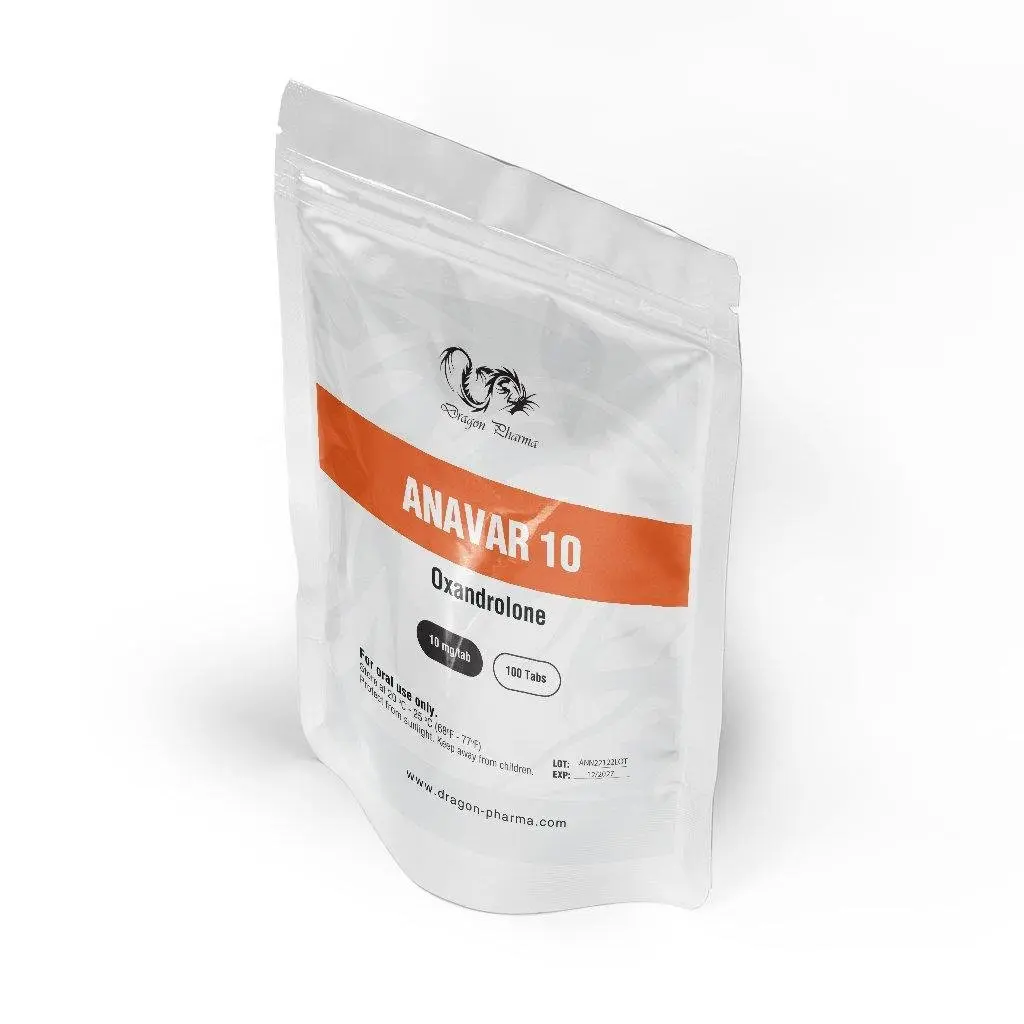
Steroids Half-Lifes, oral and injectables. Know when to start PCT according to this list.
This article organizes the available research by mechanism and study type, distinguishing behavioral findings from molecular and vascular research.
Customer Reviews
Please leave your review on products or service below.
Thank you beforehand.