


MT1 (Melanotan-1): Structure, MC1R Mechanism, and Research Applications
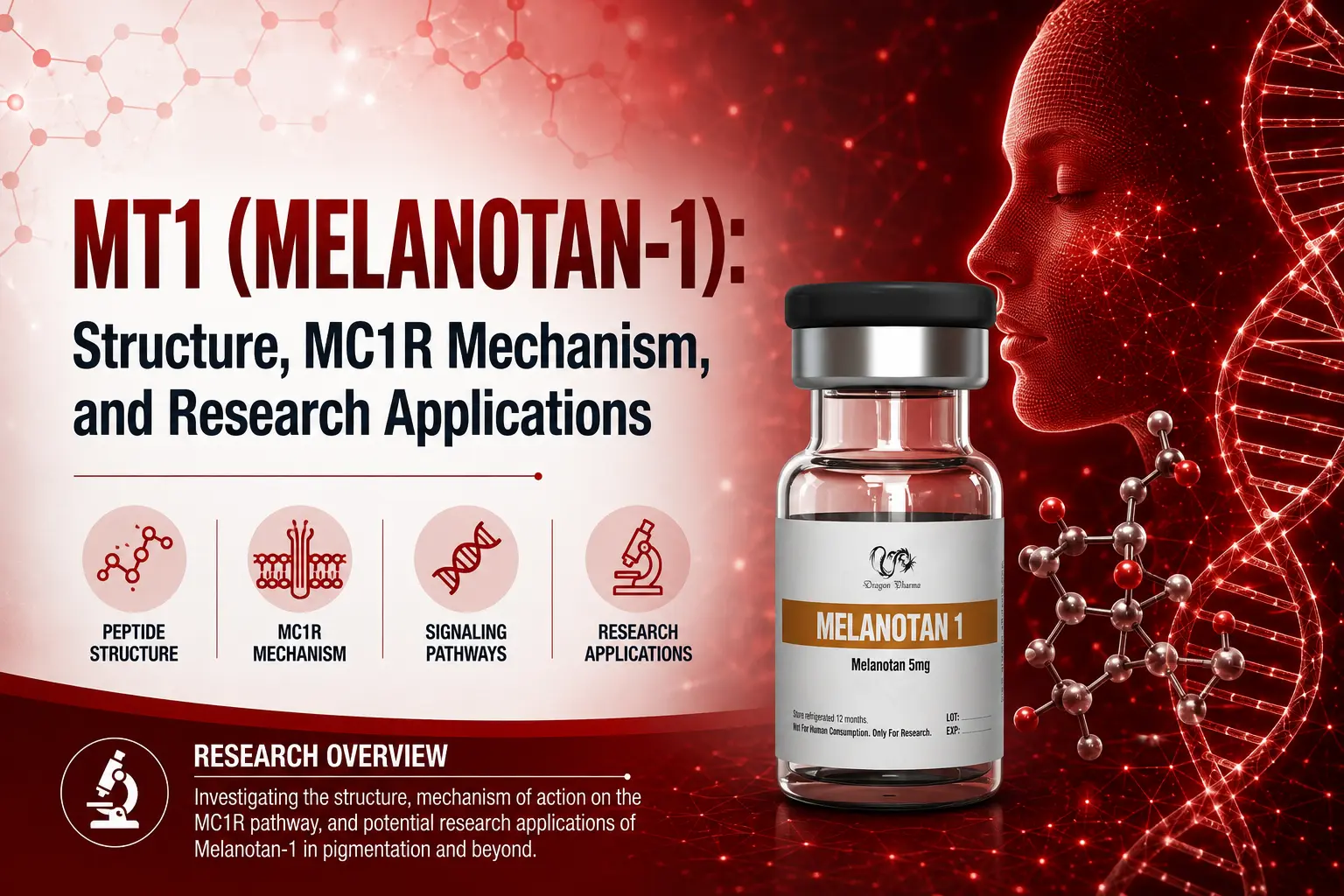
Melanotan-1 (MT1) is a synthetic 13-amino-acid peptide structurally related to endogenous alpha-melanocyte-stimulating hormone (α-MSH), carrying two substitutions (Nle⁴, D-Phe⁷) that alter receptor interaction and metabolic stability. Notably, this exact structure — Nle⁴-D-Phe⁷-α-MSH — is also the active compound in Scenesse (afamelanotide), an FDA-approved drug for increasing pain-free light exposure in adults with erythropoietic protoporphyria (EPP). As interest in products marketed under terms such as "Melanotan-1 for sale" continues to grow online, it is important to distinguish investigational compounds and commercial claims from approved medical applications. This article covers MT1's melanocortin receptor mechanism and research findings, and corrects a citation error found in the source material's porphyria-related trial data.
Table of Contents
- Key Facts at a Glance
- Regulatory Identity: MT1 and Scenesse (Afamelanotide)
- Mechanism of Action: MC1R Signaling
- MT1 Within the Melanocortin Receptor Network
- MC1R Signaling in Melanocyte Photoprotection
- Photosensitivity Research in Erythropoietic Porphyria
- Research Under UV Radiation Exposure (Human Volunteers)
- MC1R Signaling Beyond Pigmentation
- Emerging Neuromelanin/Parkinson's Research (Exploratory)
- Evidence Summary by Study
- Storage and Stability
- Frequently Asked Questions
- Key Takeaways
- References
Key Facts at a Glance
| Property | Detail |
|---|---|
| Structure | 13-amino-acid α-MSH analog; Met⁴→Nle⁴ and L-Phe⁷→D-Phe⁷ substitutions |
| Also known as | Nle⁴-D-Phe⁷-α-MSH; identical structure to afamelanotide (Scenesse) |
| Primary receptor target | MC1R (melanocortin-1 receptor), with activity across MC1R–MC5R |
| Regulatory status | The identical compound is FDA-approved as Scenesse (afamelanotide) for erythropoietic protoporphyria (EPP) |
| Evidence type | In vitro/mechanistic reviews, human volunteer UV-exposure trials, and referenced (but here uncited-in-source) human EPP trial data |
Regulatory Identity: MT1 and Scenesse (Afamelanotide)
MT1's structure — Nle⁴-D-Phe⁷-α-MSH — is identical to afamelanotide, the active compound in the FDA-approved drug Scenesse.
Scenesse is approved to increase pain-free light exposure in adults with a history of phototoxic reactions from erythropoietic protoporphyria. This is directly relevant to the porphyria-related research covered later in this article: [1] in the source material is itself a PubChem entry for Scenesse, though the connection was not stated explicitly in the original source content. Research-grade MT1 sold for laboratory use is a distinct, non-pharmaceutical-grade product from the regulated drug.
Mechanism of Action: MC1R Signaling
MT1 is hypothesized to act primarily through MC1R, a Gs-coupled receptor expressed predominantly on melanocytes, triggering a cAMP-driven signaling cascade that promotes eumelanin synthesis.
MC1R activation is thought to stimulate adenylyl cyclase, raising intracellular cAMP and influencing microphthalmia-associated transcription factor (MITF) expression, which drives transcription of enzymes involved in eumelanin production [3]. MT1 has also been used as an agonist probe across other melanocortin receptor subtypes in vitro and in animal models, characterizing receptor-specific signaling outputs and second-messenger activation under standardized conditions.
MT1 Within the Melanocortin Receptor Network
| Receptor | Primary Tissue Distribution | Associated Function |
|---|---|---|
| MC1R | Melanocytes | Melanin synthesis, epidermal/hair pigmentation |
| MC2R | Adrenal cortex | Cortisol production signaling |
| MC3R | CNS, placenta, multiple tissues | Energy balance, hunger hormone signaling regulation |
| MC4R | Hypothalamus | Energy homeostasis, neurobehavioral function |
| MC5R | Broadly expressed | Precise role under investigation; possible exocrine involvement |
MT1 shows apparent preferential interaction with MC1R, with comparative studies indicating higher relative MC1R affinity than endogenous α-MSH under experimental conditions, supporting elevated MITF-driven eumelanin synthesis [2][4].
MC1R Signaling in Melanocyte Photoprotection
Research suggests MC1R activation may support nucleotide excision repair — the pathway that removes UV-associated DNA lesions — in addition to its role in pigmentation, though this appears to depend on receptor polymorphism status.
MC1R activation is hypothesized to modulate melanogenic processes and melanin distribution in ways that may contribute to photoprotection and cellular resilience against UV damage. Elevated cAMP signaling has been proposed to support DNA repair capacity, potentially reducing mutational burden in melanocytes [3]. However, loss-of-function MC1R polymorphisms have been associated with reduced pigmentation, increased UV sensitivity, and diminished DNA repair efficiency — meaning genetic background may shape how strongly an agonist like MT1 can influence these pathways in a given individual or experimental model. MC1R signaling has also been implicated in broader anti-inflammatory activity and melanocyte genomic stability maintenance.
Photosensitivity Research in Erythropoietic Porphyria
Important citation note: the source material cites reference [5] for this section, but reference [5] is actually Lee et al. (2006), a study of α-MSH gene therapy for liver fibrosis in mice — unrelated to erythropoietic porphyria or human trials. The specific trial data below (three controlled trials, 64 vs. 40 hours sun tolerance, 180-day observation) has no valid supporting citation in the material provided and should not be published without locating the correct source.
The uncited description states that three controlled clinical investigations examined MT1/afamelanotide in models of erythropoietic porphyria, with participants stratified into peptide-exposed and placebo cohorts, exposure repeated at two-month intervals over up to 180 days, tracking sunlight exposure duration and pain response during UV exposure. Peptide-exposed groups reportedly tolerated longer cumulative sunlight exposure (~64 hours) with reduced pain versus placebo (~40 hours). Given this compound's identity as the active ingredient in Scenesse (a drug specifically approved for this indication), these findings are directionally consistent with published afamelanotide EPP trial literature — but the correct primary source needs to be identified and cited before this content is published.
Research Under UV Radiation Exposure (Human Volunteers)
This is genuine, correctly cited human clinical research — Dorr et al. (2004), published under the title "...tanning of the skin in human volunteers."
Three independent Phase I trials evaluated MT1 exposure relative to UVB radiation or daylight. The first study assigned equal proportions of participants to peptide and placebo conditions over ten days; a second examined UV exposure parameters across similarly distributed cohorts; a third used an equal peptide/placebo allocation. Post-exposure analyses focused on cellular responses and observable pigmentation changes, with results suggesting an association between peptide exposure, UV interaction, and increased melanin-related activity — interpreted by the original researchers as indicative of a possible correlation rather than definitive causation [6].
MC1R Signaling Beyond Pigmentation
A pharmacological review described MC1R as having "pleiotropic signaling capacity," with activation associated with inflammatory modulation and cellular stress adaptation pathways beyond melanogenesis, potentially promoting anti-inflammatory signaling independently of melanin synthesis in some experimental systems. The review discussed peptide-based melanocortin agonists as molecular probes for revealing signaling bias and pathway selectivity beyond pigmentation endpoints [7].
Emerging Neuromelanin/Parkinson's Research (Exploratory)
This is a conceptual/theoretical review published in a newly established journal (December 2025), not primary experimental data on MT1 specifically. Treat as early-stage and exploratory.
A late-2025 conceptual review explored theoretical connections between melanocortin receptor agonism and neuromelanin-associated pathways in experimental neurodegenerative models, drawing parallels between eumelanin synthesis in melanocytes and neuromelanin accumulation in specific neuronal populations. The review did not focus specifically on MT1 and presented its hypotheses as exploratory and largely inferential, based on mechanistic overlap rather than direct experimental validation [8].
Evidence Summary by Study
| Research Finding | Model | Evidence Tier |
|---|---|---|
| MC1R structure, cAMP/MITF pathway, DNA repair | Mechanistic review | Secondary literature |
| Receptor network overview (MC1R–MC5R) | Review literature | Secondary literature |
| Sunlight tolerance, pain response in EPP | Described as human trials | Uncited — no valid source in material provided |
| Pigmentation response to UV/daylight exposure | Human volunteers, 3 Phase I trials | Human clinical |
| MC1R anti-inflammatory/pleiotropic signaling | Pharmacological review | Secondary literature |
| Neuromelanin/Parkinson's theoretical links | Conceptual review, no primary MT1 data | Exploratory/theoretical |
Storage and Stability
| Condition | Recommendation |
|---|---|
| Lyophilized form | Store frozen (-20°C) for long-term stability |
| Reconstituted solution | Refrigerate (2–8°C); use within the research protocol's defined window |
| Light exposure | Store protected from light |
| Handling | Avoid repeated freeze-thaw cycles to preserve peptide integrity |
Frequently Asked Questions
What is Melanotan-1 (MT1)?
MT1 is a synthetic 13-amino-acid analog of α-MSH with two substitutions (Nle⁴, D-Phe⁷) that alter receptor interaction and metabolic stability, studied primarily for MC1R-mediated signaling.
Is Melanotan-1 the same as Scenesse or afamelanotide?
Yes, structurally. MT1's sequence (Nle⁴-D-Phe⁷-α-MSH) is identical to afamelanotide, the active compound in the FDA-approved drug Scenesse, used to increase pain-free light exposure in erythropoietic protoporphyria.
What receptor does MT1 primarily target?
MT1 shows preferential activity at MC1R, a Gs-coupled receptor on melanocytes, though it has also been used as a probe across other melanocortin receptor subtypes (MC2R–MC5R).
How does MT1 affect melanin production?
MC1R activation is proposed to raise intracellular cAMP, influencing MITF expression and downstream transcription of enzymes involved in eumelanin synthesis.
Has MT1 been studied in human clinical trials?
Yes. Phase I trials in human volunteers examined its effects under UVB radiation and daylight exposure. Separately, porphyria-related human trial data referenced in some sources currently lacks a verifiable citation and should be treated cautiously pending source verification.
Does MC1R genetics affect how MT1 works?
Yes. Loss-of-function MC1R polymorphisms have been associated with reduced pigmentation response, increased UV sensitivity, and diminished DNA repair efficiency, potentially altering an individual's or model's responsiveness to MC1R agonists.
Does MC1R do anything besides regulate pigmentation?
Research suggests MC1R signaling may also support nucleotide excision DNA repair, anti-inflammatory activity, and broader cellular stress adaptation pathways beyond melanogenesis.
Is there a connection between MT1 and Parkinson's disease research?
A late-2025 conceptual review explored theoretical links between melanocortin signaling and neuromelanin-related pathways in neurodegenerative models, but this is exploratory and not based on direct experimental data involving MT1 specifically.
What are the five melanocortin receptor subtypes?
MC1R (melanocytes/pigmentation), MC2R (adrenal cortex/cortisol), MC3R (energy balance/hunger signaling), MC4R (hypothalamic energy homeostasis), and MC5R (broadly expressed, exocrine-related roles under investigation).
Key Takeaways
- MT1 (Melanotan-1) is structurally identical to afamelanotide, the active compound in the FDA-approved drug Scenesse for erythropoietic protoporphyria — a connection not stated in the original source material despite citing a Scenesse PubChem entry.
- MT1's primary mechanism involves MC1R activation, cAMP signaling, and MITF-driven eumelanin synthesis, with genetic MC1R polymorphisms shaping individual/model responsiveness.
- A citation error was identified and flagged: the erythropoietic porphyria trial data cited an unrelated mouse liver fibrosis study; the actual trial data currently has no valid citation and needs source verification before publishing.
- Genuine human clinical data exists for MT1 in UV/daylight exposure Phase I trials (Dorr et al., 2004).
- MC1R signaling extends beyond pigmentation into DNA repair, anti-inflammatory pathways, and early-stage exploratory neuromelanin/neurodegenerative research.
References
- National Center for Biotechnology Information. PubChem Compound Summary for CID 16154396, Scenesse. https://pubchem.ncbi.nlm.nih.gov/compound/Scenesse
- Cai M, Hruby VJ. The Melanocortin Receptor System: A Target for Multiple Degenerative Diseases. Curr Protein Pept Sci. 2016;17(5):488-496. https://doi.org/10.2174/1389203717666160226145330
- Wolf Horrell EM, Boulanger MC, D'Orazio JA. Melanocortin 1 Receptor: Structure, Function, and Regulation. Front Genet. 2016;7:95. https://pubmed.ncbi.nlm.nih.gov/27303435/
- Mun Y, Kim W, Shin D. Melanocortin 1 Receptor (MC1R): Pharmacological and Therapeutic Aspects. Int J Mol Sci. 2023;24(15):12152. https://pubmed.ncbi.nlm.nih.gov/37569558/
- Lee TH, Jawan B, Chou WY, et al. Alpha-melanocyte-stimulating hormone gene therapy reverses carbon tetrachloride induced liver fibrosis in mice. J Gene Med. 2006;8(6):764-72. https://pubmed.ncbi.nlm.nih.gov/16508911/ (Note: this reference does not support the porphyria trial claims it was cited for in the source material — see correction above.)
- Dorr RT, Ertl G, Levine N, et al. Effects of a superpotent melanotropic peptide in combination with solar UV radiation on tanning of the skin in human volunteers. Arch Dermatol. 2004. https://pubmed.ncbi.nlm.nih.gov/15262693/
- Mun Y, Kim W, Shin D. Melanocortin 1 Receptor (MC1R): Pharmacological and Therapeutic Aspects. Int J Mol Sci. 2023;24(15):12152. https://pubmed.ncbi.nlm.nih.gov/37569558/
- Pendergrass K, Eyer K. Melanotan Peptides as Potential Therapeutics in Parkinson's Disease. Microbiome Medicine (Translational Microbiome Medicine Research). December 2025. (Recently established journal; treat as exploratory/theoretical literature.)
Articles
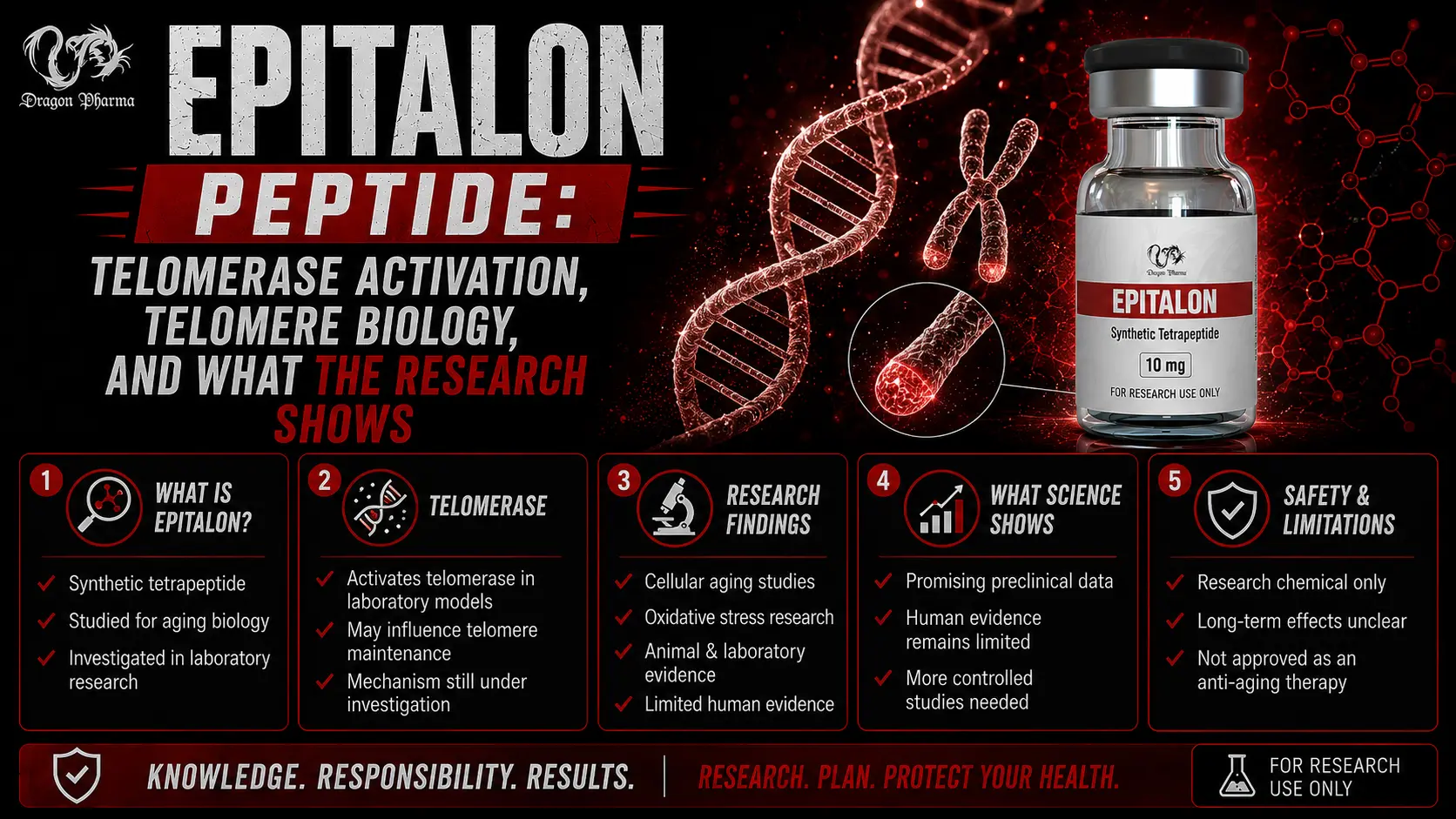
This guide covers what Epitalon is, how it's proposed to work, what the Khavinson research program actually demonstrated, and where the evidence gaps are — for anyone researching where to buy Epitalon peptide for laboratory use and wanting to understand the science before they do.
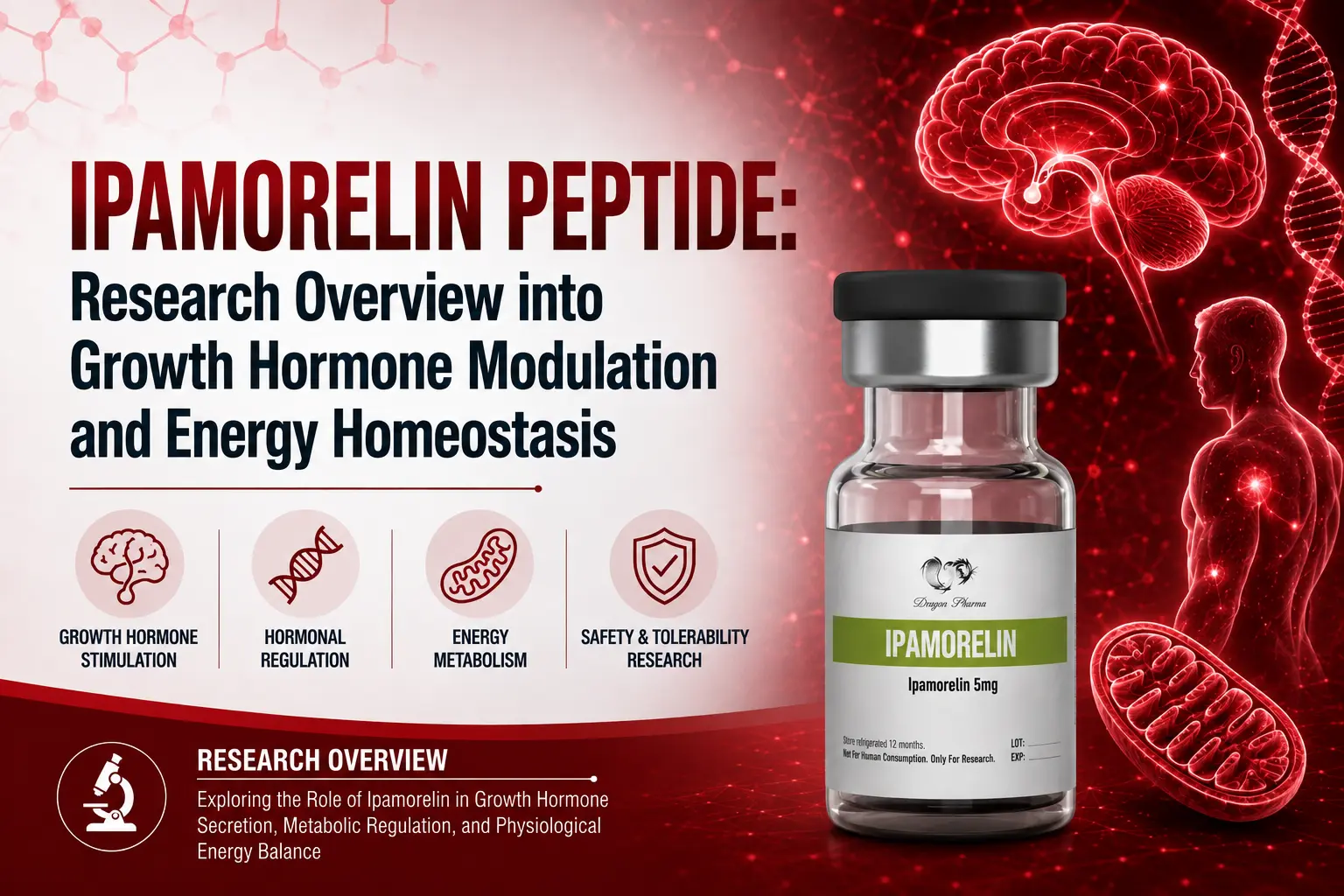
This article covers its receptor mechanism, evidence across bone, nitrogen, and energy-balance research, and corrects a significant framing issue in secondary literature: a human pharmacokinetic trial in this compound's own history is commonly described as testing "mammalian models" rather than the human volunteers it actually involved.
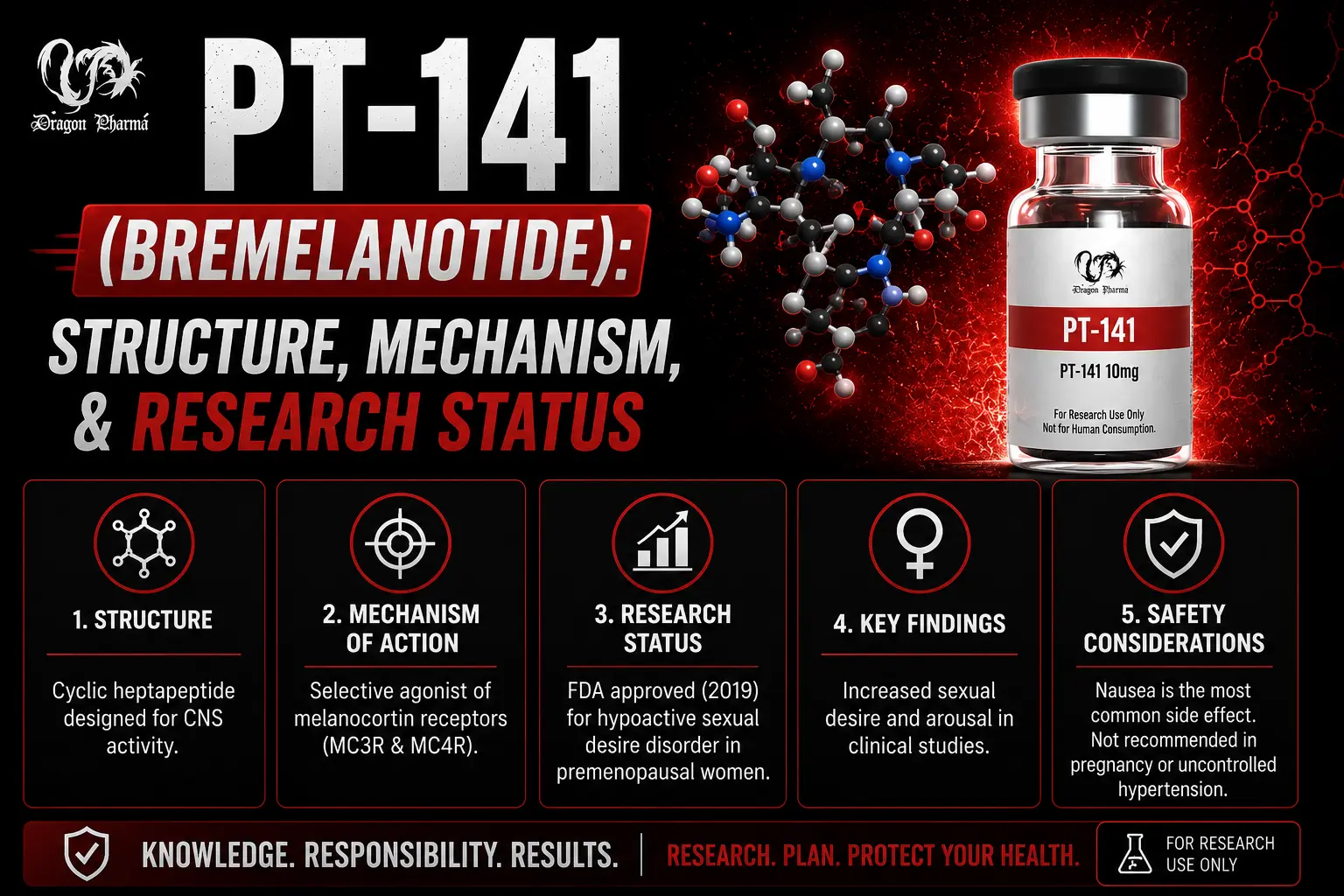
It was derived from Melanotan II and has been studied in both animal models and human clinical trials, distinguishing it from most research peptides, which lack human data. This article breaks down its chemistry, mechanism, evidence base, and how it compares to related compounds.
Customer Reviews
Please leave your review on products or service below.
Thank you beforehand.