


Copper Peptides: Coordination Chemistry, Mechanistic Biology, and a Referenced Look at the Research
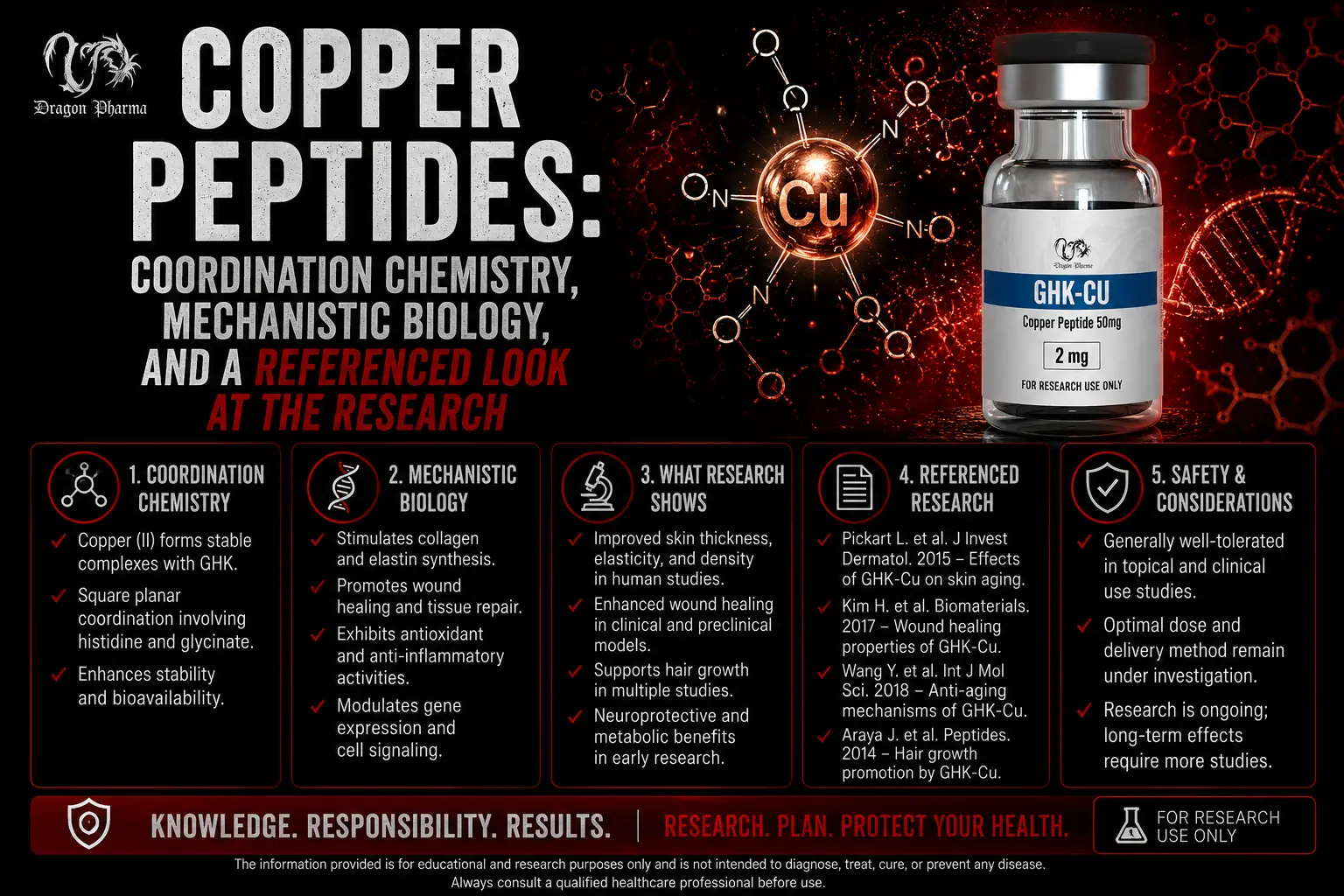
Copper peptides are a class of naturally occurring and synthetically produced small peptide–copper ion complexes, in which a Cu²⁺ ion coordinates with a specific amino acid sequence to form a stable chelate. Three members have received the most sustained research attention: GHK-Cu copper peptide (glycyl-L-histidyl-L-lysine copper(II)), AHK-Cu (alanyl-histidyl-lysine copper(II)), and DAHK-Cu (aspartyl-alanyl-histidyl-lysine copper(II)). Each has a distinct coordination structure, tissue origin, and research focus.
This guide works through the chemistry, the historical research trail, and the individual studies behind each compound — with the actual reported effect sizes (not just "significant improvement" language), an honest breakdown of evidence quality across study types, and full citation links so you can verify everything against the primary source.
Table of Contents
- What Are Copper Peptides?
- Historical Development
- Coordination Chemistry and Mechanisms
- A Note on Evidence Quality
- GHK-Cu: Extracellular Matrix and Collagen Research
- GHK-Cu: Wound Repair Across Preclinical and Clinical Models
- GHK-Cu: Antioxidant and Anti-Inflammatory Signaling
- GHK-Cu: Neuromodulatory and Cognitive Research
- AHK-Cu: Dermal Fibroblast and Hair Follicle Research
- DAHK-Cu: Redox Biology and Copper Transport
- Comparing the Three Copper Peptides
- References
What Are Copper Peptides?
Copper peptides derive their biological interest from copper's role as a cofactor in numerous enzymatic processes involved in tissue repair, antioxidant defense, and extracellular matrix maintenance. Binding copper to a short peptide sequence changes how that copper is delivered, transported, and made available at a cellular level compared to free copper ions—which is why the peptide backbone, not just the copper itself, is central to each compound's studied activity. Researchers exploring peptides for sale often focus on the purity, peptide sequence, and intended research applications, as these factors can influence experimental consistency and outcomes.
Historical Development
GHK-Cu's research history begins with its isolation: Pickart and Thayer first identified the tripeptide fraction in 1973, from plasma albumin, after observing that it could stimulate protein synthesis in aged liver tissue up to levels seen in younger tissue — the original finding that established GHK-Cu as a candidate tissue-maintenance signaling molecule.[1] Subsequent characterization confirmed the tripeptide's high binding affinity for Cu²⁺, and follow-up research reported that plasma GHK-Cu concentration appears to decline with age — cited figures put it around 200 ng/mL earlier in life, falling to roughly 80 ng/mL by later decades — though it's worth noting this age-decline figure traces back to Pickart's own research program rather than multiple independently replicated measurements.[1]
Early fibroblast culture work through the 1980s established GHK-Cu's collagen-stimulating activity, and subsequent decades expanded the research base into wound repair, dermatology, pulmonary biology, and neurobiology.
AHK-Cu emerged later, from applied dermatological research into fibroblast-activating compounds, with a specific research focus on hair follicle and skin matrix biology.[4][13] DAHK-Cu's research interest developed from a different direction entirely — it corresponds to the N-terminal copper-binding domain of serum albumin itself, so its study has centered on computational and biochemical characterization of copper transport and redox chemistry rather than tissue-repair applications.[2]
Coordination Chemistry and Mechanisms
GHK-Cu coordinates Cu²⁺ through the imidazole nitrogen of its histidine residue, its terminal α-amino group, and deprotonated backbone amide nitrogens, forming a square-planar chelate. This geometry is thought to influence the redox behavior of the bound copper, potentially allowing it to participate in both oxidative and reductive cellular reactions.[1]
DAHK-Cu's coordination behavior differs because of its N-terminal aspartyl residue, which can contribute carboxylate-mediated chelation alongside histidine-imidazole binding. Computational modeling indicates DAHK-Cu can adopt multiple stable copper-binding configurations depending on solvent and pH conditions — a structural flexibility relevant to its proposed role in albumin-mediated copper transport and redox biology.[2]
AHK-Cu's research has focused less on its coordination chemistry directly and more on downstream effects: studies suggest it may modulate VEGF and TGF-β1 expression in fibroblast and endothelial cell cultures, pointing toward possible roles in angiogenesis and matrix remodeling.[4]
A Note on Evidence Quality
Not all copper peptide research carries equal evidentiary weight, and it's worth being explicit about the tiers involved, since they get blended together in most summaries:
- Peer-reviewed journal studies — the majority of the citations below (Maquart, Siméon, Cangul, Gul, Mulder, Zhang, Bobyntsev) fall here, meaning they underwent external review before publication
- Preprints — the Tucker et al. (2023) cognitive-aging study is posted on bioRxiv and, as of this writing, has not completed peer review; its findings are preliminary and the original authors themselves flagged the need for further peer-reviewed confirmation[14]
- Industry/company clinical reports — some frequently cited dermatological data (e.g., Neova/Procyte-sponsored reports) come from manufacturer-commissioned studies rather than independent peer-reviewed journals, which doesn't invalidate the data but does warrant reading it with that context in mind[4]
Keeping these tiers distinct matters for interpreting confidence in any specific claim below.
GHK-Cu: Extracellular Matrix and Collagen Research
The foundational study here is Maquart et al. (1988), published in FEBS Letters, which found that GHK-Cu exposure at nanomolar concentrations in primary fibroblast cultures produced measurable increases in collagen synthesis relative to untreated controls.[5] This established the peptide's basic identity as a fibroblast-activating signal and prompted the wave of ECM-focused research that followed.
Siméon et al. (2000), in Life Sciences, extended this work into matrix metalloproteinase (MMP) biology, finding that GHK-Cu exposure elevated MMP-2 expression in fibroblast cultures while simultaneously upregulating tissue inhibitors of metalloproteinases (TIMP-1 and TIMP-2).[6] The significance here is the pairing: GHK-Cu appears to promote a coordinated remodeling response — controlled matrix breakdown balanced by inhibitory regulation — rather than simply driving one-directional collagen accumulation. That balance is relevant to research on age-related extracellular matrix homeostasis and wound-associated tissue remodeling.
GHK-Cu: Wound Repair Across Preclinical and Clinical Models
Cangul et al. (2006), published in Veterinary Dermatology, tested GHK-Cu against zinc oxide and placebo in an 18-rabbit open-wound model over 21 days. The GHK-Cu group showed significantly greater mean wound contraction than both comparison groups, leading the authors to suggest the tripeptide-copper complex outperformed zinc oxide under the tested conditions.[7]
Gul et al. (2008), also in Veterinary Dermatology, compared GHK-Cu against helium-neon laser therapy (at 1 J/cm² and 3 J/cm²) across 24 rabbits over 28 days. GHK-Cu-treated wounds showed reduced neutrophil infiltration (suggesting a lower inflammatory burden) and increased neovascularization — average healing time was reported at roughly 29.8–30.2 days in the GHK-Cu and high-dose laser groups, versus 34.6 days for controls.[8]
The strongest human evidence in this category is Mulder et al. (1994), a multicenter, randomized, evaluator-blinded, placebo-controlled trial in Wound Repair and Regeneration, testing topical GHK-Cu gel ("Iamin Gel") in diabetic neuropathic plantar ulcers under a standardized debridement protocol. The reported outcomes are worth stating precisely rather than vaguely: 98.5% median wound-area closure with GHK-Cu versus 60.8% with vehicle (p < 0.05), a closure rate roughly three times faster than standard care, and infection incidence of 7% versus 34% in the vehicle group when treatment began immediately after debridement.[9] This remains one of the few controlled human clinical trials in the GHK-Cu evidence base, which makes its specificity worth highlighting rather than summarizing away.
More recently, Wang et al. (2024), in Chemical Engineering Journal, developed an electrospun GHK-Cu/fibroin-loaded PVB/PVP composite wound dressing designed for controlled, localized peptide release. The dressing was associated with accelerated wound closure, reduced pro-inflammatory cytokine expression, lower oxidative stress markers, and enhanced tissue regeneration relative to control dressings — an early but active line of research into biomaterial-delivered copper peptide therapy.[15]
GHK-Cu: Antioxidant and Anti-Inflammatory Signaling
Zhang et al. (2022), in Frontiers in Molecular Biosciences, examined GHK-Cu in mice exposed to cigarette smoke, a model for pulmonary inflammation and emphysema. GHK-Cu exposure was associated with reduced bronchoalveolar lavage concentrations of IL-1β and TNF-α, and attenuated myeloperoxidase (MPO) activity in lung tissue — findings consistent with the peptide's broader anti-inflammatory profile observed in skin and wound research.[10]
GHK-Cu: Neuromodulatory and Cognitive Research
This is one of the newer and more speculative research directions for GHK-Cu. Bobyntsev et al. (2015), in the Bulletin of Experimental Biology and Medicine, tested GHK-Cu in an elevated plus maze model — a standard paradigm where increased open-arm exploration indicates reduced anxiety-like behavior in rodents — and reported behavioral changes consistent with anxiolytic activity.[11] A related study examined pain-induced aggressive-defensive behavior in rats using mild electrical stimulation to provoke aggression between paired animals; exposure to the Gly-His-Lys sequence roughly 12 minutes before stimulation was associated with an approximately fivefold reduction in aggressive interaction frequency compared to untreated controls.[12]
More recently, Tucker et al. (2023) — currently a bioRxiv preprint, not yet peer-reviewed — tested intranasal GHK-Cu in 20-month-old C57BL/6 mice over a two-month twice-daily dosing period, assessing spatial memory, learning-navigation performance, and neuroinflammatory/axonal integrity markers. Treated mice showed improved spatial memory and navigation performance, along with reduced neuroinflammatory marker expression and axonal damage indices, compared to saline controls.[14] The authors themselves note this needs peer-reviewed confirmation before it should be treated as established — worth repeating here, since preprint findings are sometimes cited without that caveat.
AHK-Cu: Dermal Fibroblast and Hair Follicle Research
AHK-Cu research has centered on dermal matrix and follicular biology. Preclinical data suggest AHK-Cu may stimulate collagen and elastin production in dermal fibroblast models, with associated increases in dermal matrix density in animal studies, proposed to occur through AHK-Cu's modulation of VEGF and TGF-β1 expression — activating both fibroblasts (which build structural matrix proteins) and endothelial cells (which support the vascular network needed for tissue regeneration).[4] A separate in vitro study by Pyo et al. (2007), published in Archives of Pharmacal Research, specifically examined a tripeptide-copper complex's effect on hair growth parameters in cultured follicle models.[13] As noted above, some of this evidence base includes manufacturer-sponsored clinical reports rather than solely independent academic publications, which is worth factoring into how much weight any single finding carries.
DAHK-Cu: Redox Biology and Copper Transport
DAHK-Cu's research profile is the most computational and mechanistic of the three. Milner, Alshammari, and Platts (2021), in Inorganica Chimica Acta, used molecular modeling to characterize DAHK's copper-binding geometry, binding-energy landscape, and electronic structure, finding that the peptide can adopt multiple stable Cu²⁺ coordination configurations depending on solvent and pH — with the aspartyl carboxylate and histidyl imidazole groups both contributing to a flexible, multi-dentate binding environment.[2] This structural flexibility is of interest for understanding copper transport and redox cycling in albumin-mediated copper homeostasis, and for research into copper dysregulation in oxidative stress and neurodegenerative disease contexts — though it's worth flagging that this line of evidence is computational/structural rather than cell- or animal-based functional data.
Comparing the Three Copper Peptides
| GHK-Cu | AHK-Cu | DAHK-Cu | |
|---|---|---|---|
| Structure | Tripeptide (Gly-His-Lys) | Tripeptide (Ala-His-Lys) | Tetrapeptide (Asp-Ala-His-Lys) |
| Origin | Isolated from plasma albumin (1973) | Applied dermatological research | N-terminal domain of serum albumin |
| Primary research focus | ECM remodeling, wound repair, anti-inflammatory, neuromodulatory | Dermal fibroblast activation, hair follicle biology | Copper transport, redox chemistry |
| Strongest evidence type | Multiple peer-reviewed animal studies + one controlled human trial (Mulder et al., 1994) | Preclinical + industry-sponsored reports | Computational/structural modeling |
| Human clinical data | Yes (diabetic ulcer trial) | Limited | None identified |
Frequently Asked Questions
Is GHK-Cu the most researched copper peptide?
Yes. GHK-Cu has the largest and most diverse body of research among copper peptides, including studies on wound healing, dermatology, pulmonary inflammation, and preliminary neurobiology, along with at least one controlled human clinical trial.
Does AHK-Cu have the same evidence quality as GHK-Cu?
No. AHK-Cu has a smaller research base that includes industry-sponsored reports and independent studies, but it currently lacks the controlled human clinical trial evidence available for GHK-Cu.
Is DAHK-Cu studied for the same applications as GHK-Cu?
No. DAHK-Cu research primarily focuses on copper transport, metal binding, and redox chemistry rather than wound healing or tissue repair applications.
Is the GHK-Cu cognitive and aging research established science?
Not yet. Some recent findings remain preliminary and have not completed peer review, so they should be considered early-stage research rather than established scientific evidence.
What is the strongest human evidence supporting GHK-Cu?
One of the strongest clinical studies is a randomized, placebo-controlled trial published by Mulder et al. in 1994, which investigated GHK-Cu gel for diabetic neuropathic ulcers and reported substantially greater wound closure compared with placebo.
References
- Pickart L, Margolina A. Regenerative and Protective Actions of the GHK-Cu Peptide in the Light of the New Gene Data. Int J Mol Sci. 2018;19(7):1987. doi:10.3390/ijms19071987. PMID: 29986520. https://pmc.ncbi.nlm.nih.gov/articles/PMC6073405/
- Milner A, Alshammari N, Platts JA. Computational study of copper binding to DAHK peptide. Inorganica Chimica Acta. 2021;528:120589. doi:10.1016/j.ica.2021.120589. https://doi.org/10.1016/j.ica.2021.120589
- Pickart L, Vasquez-Soltero JM, Margolina A. GHK and DNA: resetting the human genome to health. Biomed Res Int. 2014;2014:151479. doi:10.1155/2014/151479. PMID: 25302294. https://pubmed.ncbi.nlm.nih.gov/25302294/
- Patt LM. Neova DNA Repair Factor Nourishing Lotion Stimulates Collagen and Speeds Natural Repair Process. Procyte/Neova Clinical Study Report. https://www.dermacaredirect.co.uk/skin/frontend/default/dermacare/pdf/neova-dna-nourishing-study.pdf
- Maquart FX, Pickart L, Laurent M, Gillery P, Monboisse JC, Borel JP. Stimulation of collagen synthesis in fibroblast cultures by the tripeptide-copper complex glycyl-L-histidyl-L-lysine-Cu2+. FEBS Lett. 1988;238(2):343-6. doi:10.1016/0014-5793(88)80509-x. PMID: 3169264. https://pubmed.ncbi.nlm.nih.gov/3169264/
- Siméon A, Emonard H, Hornebeck W, Maquart FX. The tripeptide-copper complex glycyl-L-histidyl-L-lysine-Cu2+ stimulates matrix metalloproteinase-2 expression by fibroblast cultures. Life Sci. 2000;67(18):2257-65. doi:10.1016/s0024-3205(00)00803-1. PMID: 11045606. https://pubmed.ncbi.nlm.nih.gov/11045606/
- Cangul IT, Gul NY, Topal A, Yilmaz R. Evaluation of the effects of tripeptide-copper complex and zinc oxide on open-wound healing in rabbits. Vet Dermatol. 2006;17(6):417-23. doi:10.1111/j.1365-3164.2006.00551.x. PMID: 17083573. https://pubmed.ncbi.nlm.nih.gov/17083573/
- Gul NY, Topal A, Cangul IT, Yanik K. The effects of tripeptide copper complex and helium-neon laser on wound healing in rabbits. Vet Dermatol. 2008;19(1):7-14. doi:10.1111/j.1365-3164.2007.00647.x. PMID: 18177285. https://pubmed.ncbi.nlm.nih.gov/18177285/
- Mulder GD, Patt LM, Sanders L, Rosenstock J, Altman MI, Hanley ME, Duncan GW. Enhanced healing of ulcers in patients with diabetes by treatment with glycyl-l-histidyl-l-lysine copper. Wound Repair Regen. 1994;2(4):259-69. doi:10.1046/j.1524-475X.1994.20406.x. PMID: 17147644. https://pubmed.ncbi.nlm.nih.gov/17147644/
- Zhang Q, Yan L, Lu J, Zhou X. Glycyl-L-histidyl-L-lysine-Cu2+ attenuates cigarette smoke-induced pulmonary emphysema and inflammation by reducing oxidative stress pathway. Front Mol Biosci. 2022;9:925700. doi:10.3389/fmolb.2022.925700. https://doi.org/10.3389/fmolb.2022.925700
- Bobyntsev II, Chernysheva OI, Dolgintsev ME, Smakhtin MY, Belykh AE. Anxiolytic effects of Gly-His-Lys peptide and its analogs. Bull Exp Biol Med. 2015;158(6):726-8. doi:10.1007/s10517-015-2847-3. PMID: 25900608. https://pubmed.ncbi.nlm.nih.gov/25900608/
- Sever'yanova LA, Dolgintsev ME. Effects of Tripeptide Gly-His-Lys in Pain-Induced Aggressive-Defensive Behavior in Rats. Bull Exp Biol Med. 2017;164(2):140-143. doi:10.1007/s10517-017-3943-3. PMID: 29181666. https://pubmed.ncbi.nlm.nih.gov/29181666/
- Pyo HK, Yoo HG, Won CH, Lee SH, Kang YJ, Eun HC, Cho KH, Kim KH. The effect of tripeptide-copper complex on hair growth in vitro. Arch Pharm Res. 2007;30(7):834-9. doi:10.1007/BF02978833. PMID: 17703734. https://pubmed.ncbi.nlm.nih.gov/17703734/
- Tucker M, Keely A, Park JY, Rosenfeld M, Wezeman J, Mangalindan R, Ratner D, Ladiges W. Intranasal GHK peptide enhances resilience to cognitive decline in aging mice. bioRxiv [Preprint]. 2023 Nov 17:2023.11.16.567423. doi:10.1101/2023.11.16.567423. PMCID: PMC10680828. https://pmc.ncbi.nlm.nih.gov/articles/PMC10680828/
- Wang Y, Zheng Z, Pathak JL, Cheng H, Huang S, Fu Z, Li P, Wu L, Zheng H. GHK-Cu/pionin-loaded in situ electrospun PVB/PVP smart dressing promotes wound healing via anti-oxidant, anti-inflammatory, antimicrobial, and tissue regenerative effects. Chem Eng J. 2024;492:152154. doi:10.1016/j.cej.2024.152154. https://doi.org/10.1016/j.cej.2024.152154
- National Center for Biotechnology Information. PubChem Compound Summary for CID 133697840, GHK-Cu. 2025. https://pubchem.ncbi.nlm.nih.gov/compound/GHK-Cu
- National Center for Biotechnology Information. PubChem Compound Summary for CID 168431292, AHK-Cu. 2025. https://pubchem.ncbi.nlm.nih.gov/compound/168431292
Articles

If you are looking to buy Dragon Pharma with bitcoins then you found the right place.
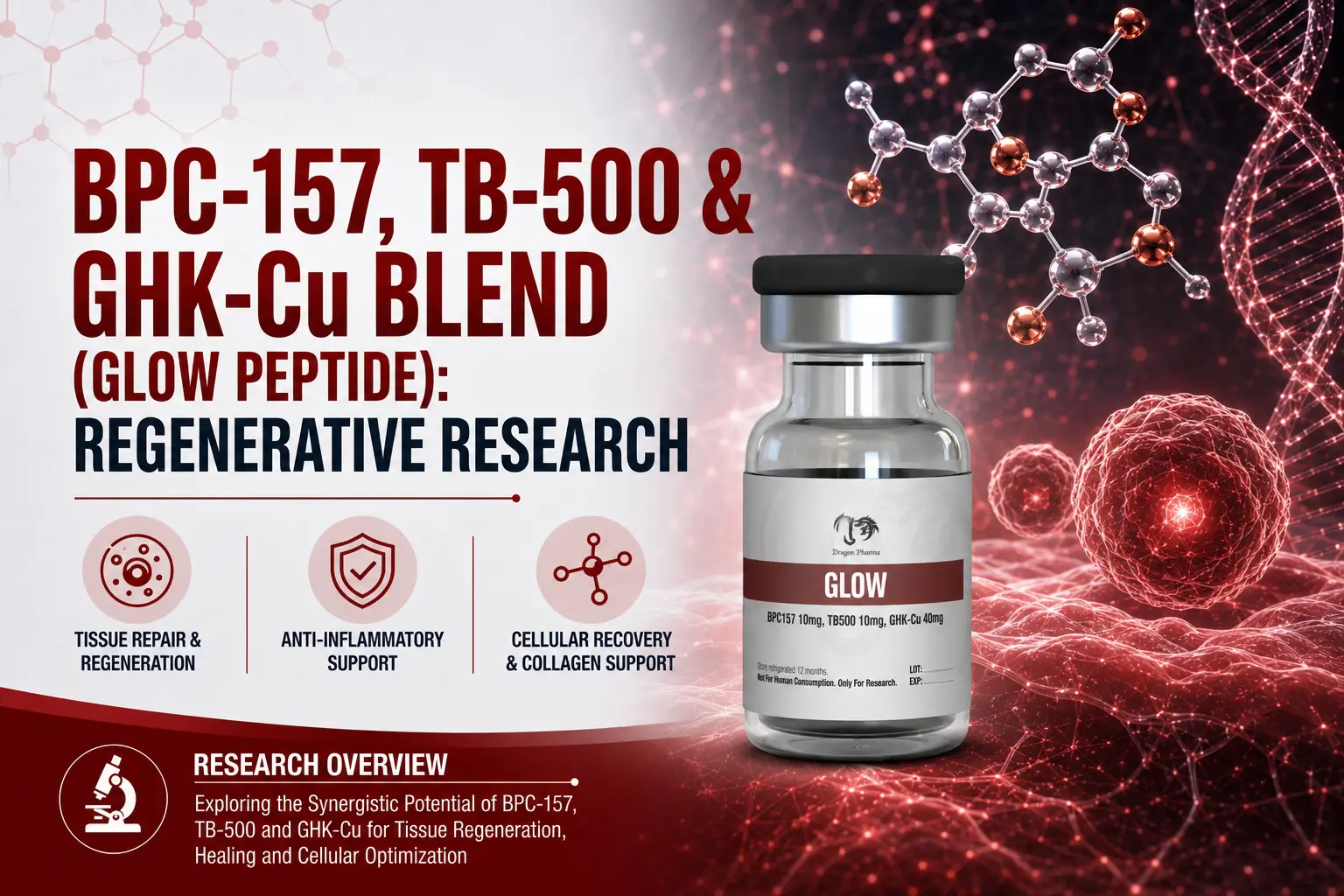
This article covers each component's proposed mechanism and research findings, and flags several citation and terminology issues found in secondary source material on this blend. It is part of the broader peptide research library maintained by Dragon Pharma Peptides.
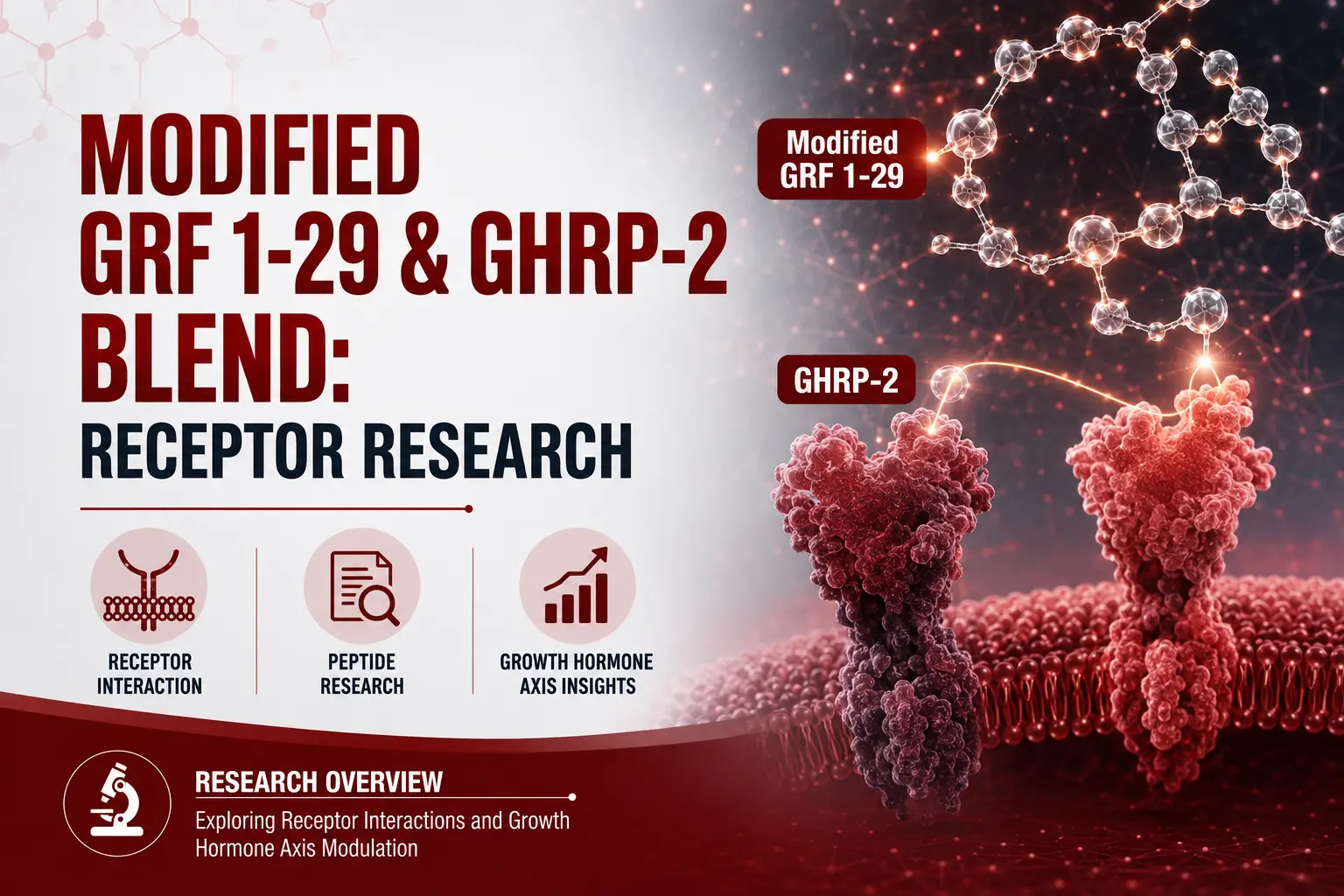
Unlike many research peptides, GHRP-2 carries a substantial human clinical trial history — spanning GH-deficient children, adults with genetic GHRH-R mutations, and healthy-volunteer studies — though much of that history is obscured in secondary sources under vague "mammalian model" language. This article corrects that framing and organizes the mechanism and evidence by actual study population.
Customer Reviews
Please leave your review on products or service below.
Thank you beforehand.