


GHK-Cu Peptide: Mechanisms, Research Findings, and What the Science Actually Shows
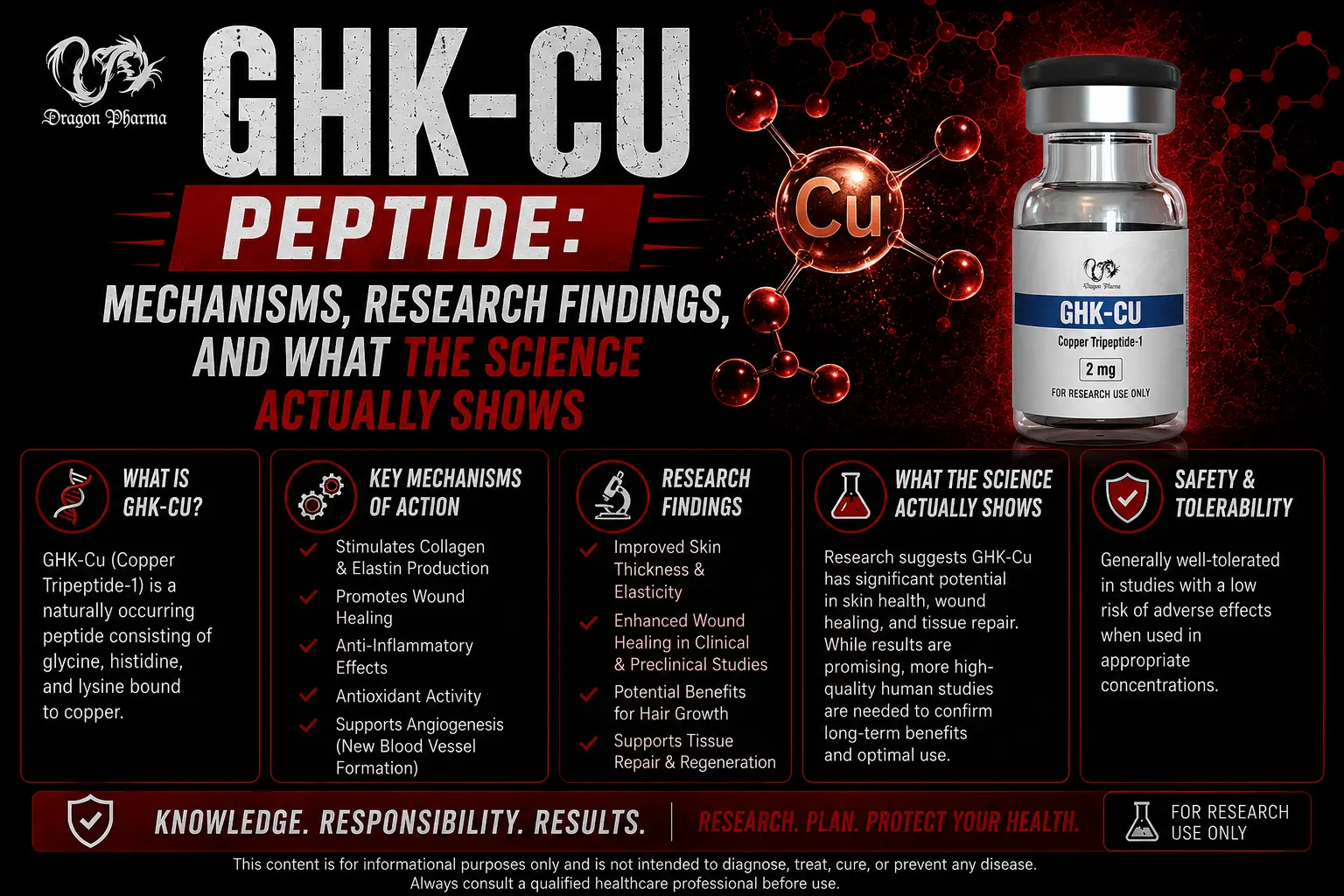
GHK-Cu (glycyl-L-histidyl-L-lysine copper complex) is one of the most extensively studied peptide-copper complexes in dermatological and regenerative research peptides. It's also one of the most overhyped — claims about "blocking DHT" or "reversing aging" circulate widely, but the underlying research is more nuanced, and more interesting, than most summaries let on.
This guide covers what GHK-Cu is, how it's believed to work, what the research actually demonstrates versus what remains speculative, and where the common claims about hair and skin benefits hold up under scrutiny.
What Is GHK-Cu?
GHK-Cu is a naturally occurring tripeptide (three amino acids — glycine, histidine, and lysine) bound to a copper ion. The tripeptide has an unusually high binding affinity for Cu²⁺, and the resulting complex is what's studied for its biological activity, distinct from either the peptide or free copper alone.
It occurs naturally in human plasma, saliva, and urine, though concentrations decline substantially with age — a pattern that helped drive early interest in its role in tissue maintenance and repair.
Discovery and Research History
GHK was first isolated from human plasma in the 1970s by biochemist Loren Pickart, who observed that plasma from younger donors stimulated more vigorous growth in liver cell cultures than plasma from older donors — and traced the effect to this small copper-binding peptide. That original finding kicked off decades of research into GHK-Cu's role in wound healing, skin remodeling, and gene regulation, much of it later reviewed by Pickart and Margolina in a widely cited 2018 summary of the peptide's mechanisms in skin regeneration.
Since then, GHK-Cu has moved from a biochemical curiosity into one of the more heavily studied peptides in cosmetic and regenerative science, with research spanning cell culture, animal models, and a smaller number of controlled human trials — mostly in topical/cosmetic applications rather than systemic ones.
How GHK-Cu Works: Core Mechanisms
GHK-Cu doesn't act through a single receptor or pathway. Research describes it as a broad modulator that influences several overlapping systems:
- Extracellular matrix remodeling — regulating the balance between matrix-building (collagen, elastin, glycosaminoglycans) and matrix-degrading (matrix metalloproteinase) activity
- Cell signaling — affecting integrin expression, fibroblast behavior, and growth factor activity
- Gene expression — one frequently cited estimate from Pickart's research suggests GHK can influence the expression of thousands of genes, effectively shifting cellular activity toward a more "repair-oriented" state
- Antioxidant and anti-inflammatory effects — reducing markers of oxidative stress and pro-inflammatory cytokine activity
- Copper delivery and chelation — acting as a carrier that regulates local copper availability, which matters because copper is a cofactor for numerous repair-related enzymes
The rest of this article breaks each of these down individually and flags where evidence is strong versus preliminary.
Collagen Synthesis and Wound Healing
This is GHK-Cu's best-supported research area. Fibroblast culture studies dating back to Maquart et al. (1988, 1993 — FEBS Letters) demonstrated that GHK-Cu stimulates fibroblasts to synthesize type I and type III collagen, along with elastin, dermatan sulfate, chondroitin sulfate, and decorin — the structural components of the extracellular matrix.
GHK-Cu also appears to increase fibroblast expression of α2β1 and α3β1 integrins, receptors that mediate cell attachment and migration through collagen matrices, and to enhance fibroblast contractility, which supports wound contraction and closure. Separately, Siméon et al. (2000) found that GHK-Cu can stimulate MMP-2 (gelatinase A) expression in fibroblast cultures — part of the peptide's broader, concentration-dependent role in balancing matrix synthesis against matrix breakdown rather than simply promoting collagen deposition unopposed.
Animal studies report accelerated wound closure, increased blood vessel formation, and elevated antioxidant enzyme activity following GHK-Cu exposure in models including rabbits, rats, mice, pigs, and dogs, with particular benefit shown in diabetic and ischemic wound models. Human data is more limited but includes controlled studies on topical GHK-Cu for skin firmness, elasticity, and fine lines, generally over multi-month application periods — this is the strongest human evidence GHK-Cu has, and it's cosmetic/topical rather than systemic.
Anti-Inflammatory and Antioxidant Activity
GHK-Cu has been shown in cell and animal models to reduce levels of pro-inflammatory cytokines, including TNF-α and IL-6, partly through suppression of the NF-κB p65 and p38 MAPK signaling pathways. In several studies, GHK-Cu exposure also increased superoxide dismutase (SOD) activity — a key antioxidant enzyme — while reducing reactive oxygen species production.
This anti-inflammatory profile has led researchers to explore GHK-Cu in contexts well beyond skin, including preliminary work in models of acute lung injury, inflammatory bowel disease, and even COPD, where it's been studied for its ability to help restore normal TGF-β signaling in damaged lung tissue. These applications remain early-stage — mechanistically interesting, but far from clinical validation.
Iron Regulation and Oxidative Stress
Ferritin, the body's primary iron-storage protein, can hold thousands of iron atoms per molecule. When iron escapes storage and circulates as "free iron," it can catalyze lipid peroxidation, generating free radicals that damage cell membranes, proteins, and DNA — a process implicated in oxidative cell injury broadly, and one some researchers have connected to inflammatory processes affecting hair follicle health specifically.
GHK-cu peptide are of interest here because copper chelation chemistry can influence how iron is bound and released. It's worth being precise about the evidence, though: the specific claim that GHK-Cu "reduces ferritin-released iron by 87%" traces back to isolated in vitro figures used loosely across secondary sources, without a clear, singular, replicated citation behind it. Treat that specific number with skepticism until you can trace it to a primary paper — the underlying concept (copper's role in modulating iron-driven oxidative stress) is legitimate; the precise figure is not well substantiated.
GHK-Cu and Hair Follicles: Separating Fact from Overclaim
This is where a lot of GHK-Cu content, including most competitor articles, gets sloppy — so it's worth slowing down.
The claim you'll see repeated everywhere: "Copper ions inhibit type 1 5-alpha reductase (5-AR) by up to 90%, reducing DHT and protecting hair follicles."
What the underlying study actually found: Sugimoto et al. (1995) tested copper ions directly against isolated, cultured 5-AR enzyme — type 1 (associated with scalp/skin) and type 2 (associated with prostate tissue). Copper inhibited type 1 activity far more potently than type 2, with reported IC₅₀ values roughly an order of magnitude apart between the isoforms, and up to ~90% inhibition of type 1 activity under specific in vitro concentrations.
Where the overclaim happens: that experiment tested free copper ions against isolated enzyme in a controlled lab system — not the GHK-Cu peptide complex applied to living human scalp tissue. The tripeptide itself has no independent 5-AR inhibitory activity; any effect would depend entirely on how much free copper reaches follicle tissue after the peptide releases it, which varies enormously by delivery method (topical vs. subcutaneous vs. microneedling) and is not something that's been measured in a published human trial. As of this writing, there is no peer-reviewed study directly demonstrating that GHK-Cu reduces DHT or inhibits 5-AR in living human hair follicles.
What's better supported for hair specifically: GHK-Cu's more credible mechanisms in hair research relate to its established strengths elsewhere — stimulating VEGF-mediated blood flow to the follicle, supporting dermal papilla cell health, reducing local inflammation (TNF-α, IL-6), and promoting the same extracellular matrix remodeling seen in skin. The more accurate framing, supported across several independent research summaries, is that GHK-Cu may help regenerate and support follicles already damaged by DHT exposure, rather than functioning as a DHT blocker in the way finasteride or dutasteride do.
Most human hair-focused evidence remains preliminary — largely cell and animal-model data, without large-scale controlled human trials specific to hair growth.
Cell Signaling and Gene Expression
Beyond its structural effects, GHK-Cu has been studied for its influence on gene expression more broadly. Research has examined GHK's effect on microRNA pathways — for example, its ability to downregulate miR-339-5p expression, with evidence suggesting this occurs partly through p38 MAPK signaling and may relate to anti-apoptotic (cell-survival) effects in certain injury models. Findings in this area come primarily from mechanistic cell-based studies and represent an active but still-developing research thread rather than an established clinical mechanism.
Frequently Asked Questions
Is GHK-Cu the same as copper peptides in skincare products?
Related, but not identical. "Copper peptides" is often used as a broad marketing term, while GHK-Cu specifically refers to the glycyl-histidyl-lysine tripeptide bound to copper. This is the form most extensively studied for collagen production and wound-healing research.
Does GHK-Cu actually block DHT?
Not in humans. While free copper ions have shown 5-alpha reductase inhibition under laboratory conditions, there is no published human study demonstrating that GHK-Cu lowers DHT or blocks 5-alpha reductase in scalp tissue. Current research focuses more on blood flow, inflammation reduction, and follicle support.
What's the strongest evidence behind GHK-Cu?
The strongest body of evidence supports its role in collagen production and extracellular matrix synthesis, demonstrated in fibroblast cell cultures and animal wound-healing models across multiple independent studies.
Where can I read the primary research?
Good starting references include Pickart and Margolina's 2018 review in the International Journal of Molecular Sciences, Maquart et al.'s fibroblast studies published in FEBS Letters, and Sugimoto et al.'s research on 5-alpha reductase, all searchable through PubMed.
Articles
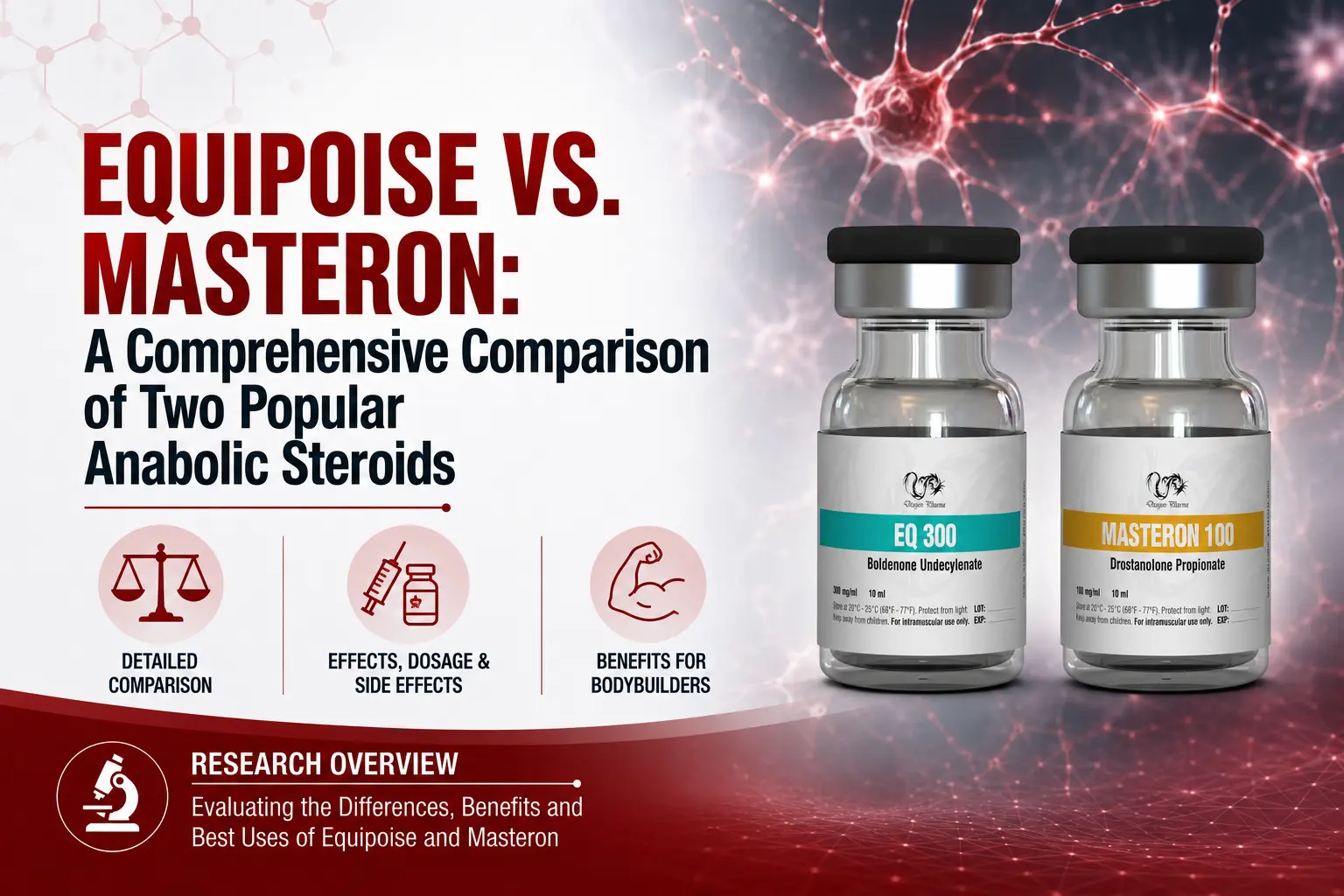
Although both compounds are designed to promote anabolic activity, they differ significantly in their chemical structure, effects on muscle development, and typical applications during training cycles.
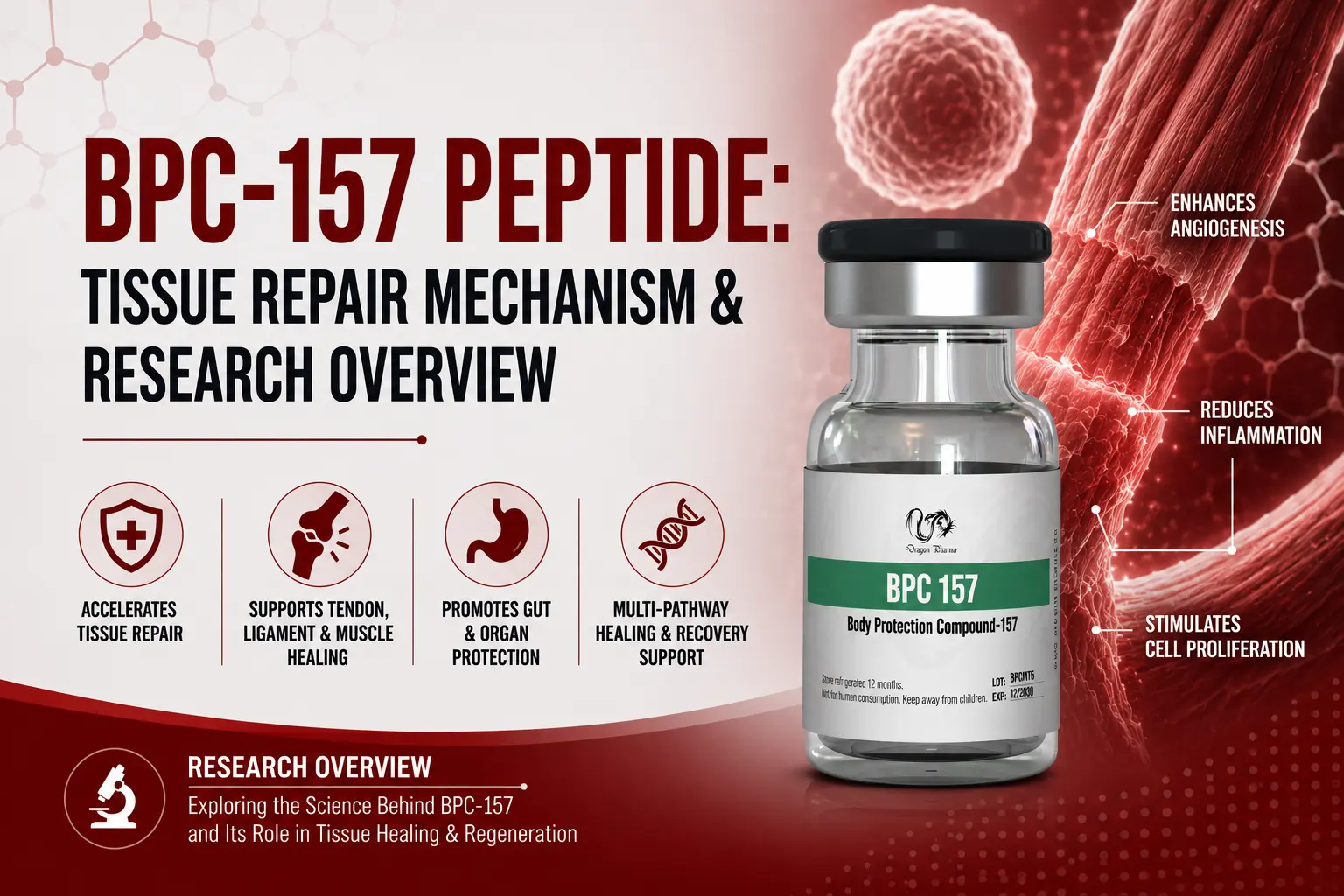
BPC-157 is a stable synthetic peptide developed from a naturally occurring protective compound found in human gastric juice, studied for reparative effects that extend well beyond the digestive tract.
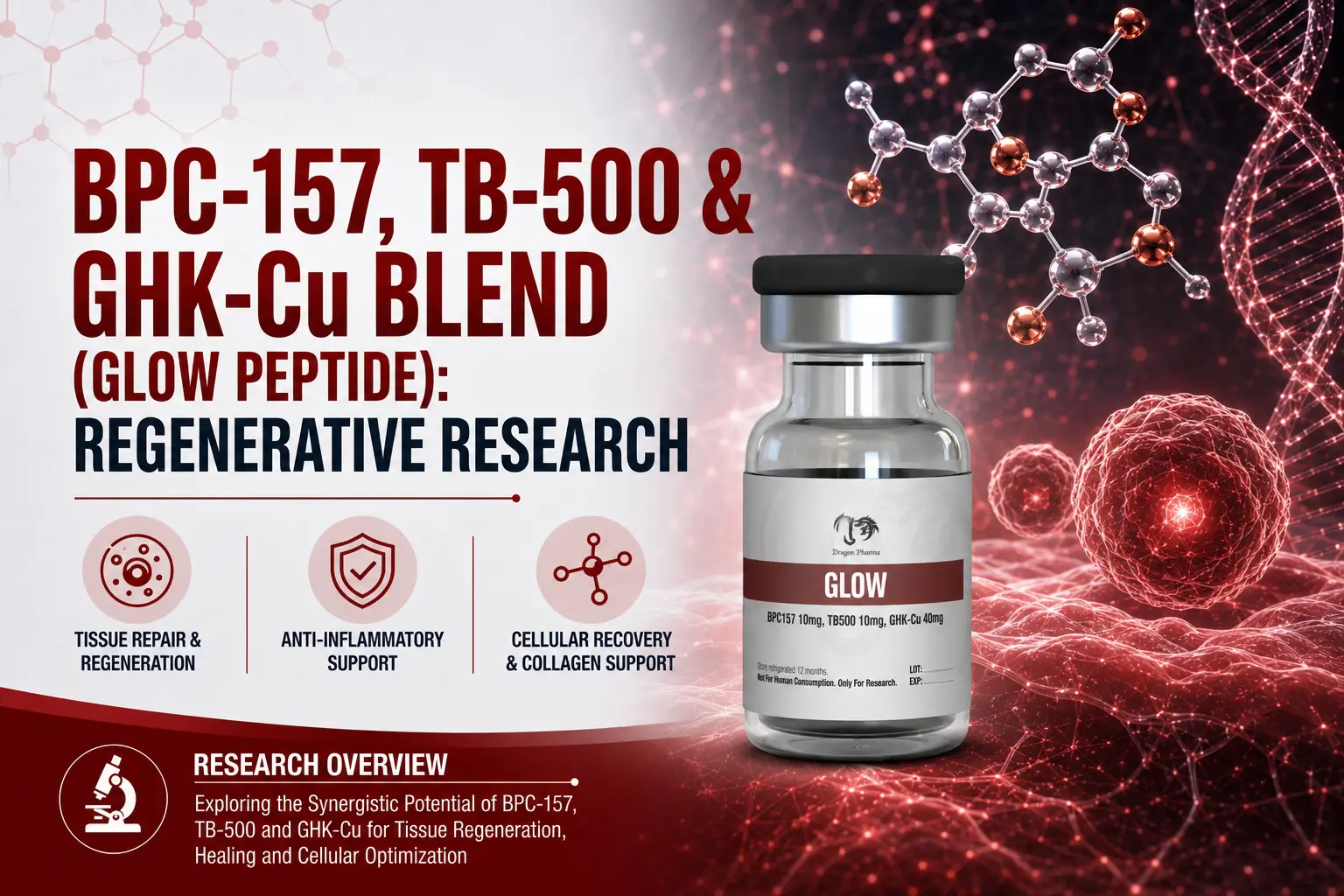
This article covers each component's proposed mechanism and research findings, and flags several citation and terminology issues found in secondary source material on this blend. It is part of the broader peptide research library maintained by Dragon Pharma Peptides.
Customer Reviews
Please leave your review on products or service below.
Thank you beforehand.