


SARMs Guide: Benefits, Risks, Dosage, Cycles & Post-Cycle Therapy Explained
Complete SARMs Guide: Benefits, Cycles, Dosage, Risks & PCT
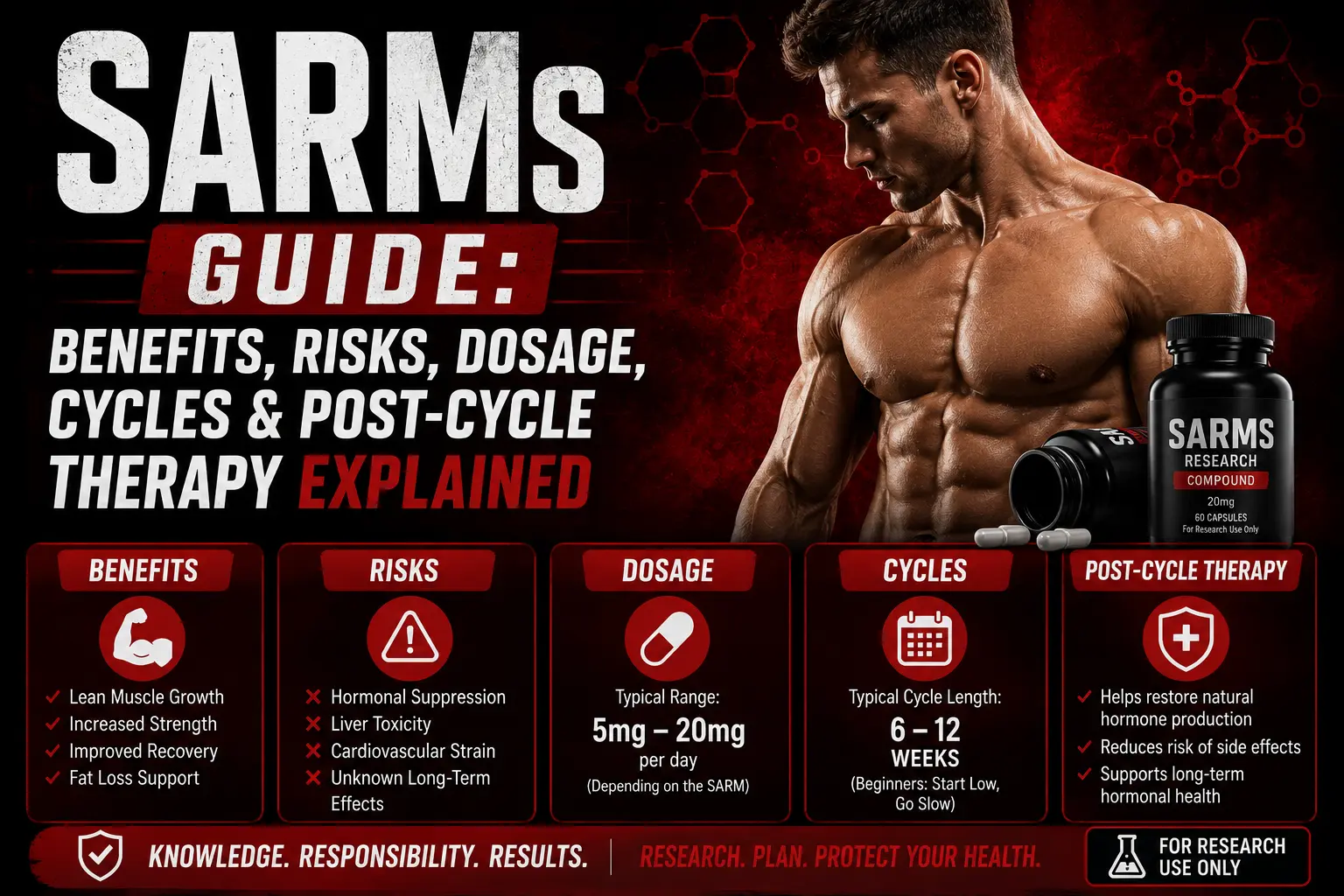
SARMs (Selective Androgen Receptor Modulators) are research compounds designed to stimulate androgen receptors in muscle and bone tissue, promoting lean muscle growth, fat loss, and strength gains.
What Are SARMs?
SARMs (Selective Androgen Receptor Modulators) are synthetic compounds designed to selectively bind to androgen receptors in muscle and bone tissue. Unlike anabolic steroids, they were developed to target specific tissues with the goal of reducing androgenic side effects.
Despite this selective mechanism, SARMs still impact the endocrine system and can suppress natural testosterone production.
How SARMs Work in the Body
- Bind to androgen receptors in muscle tissue
- Increase protein synthesis and nitrogen retention
- Promote lean muscle growth and recovery
- Some compounds affect fat metabolism and recomposition
Common SARMs such as RAD-140, LGD-4033, and MK 2866 differ in potency, suppression level, and anabolic strength.
SARMs by Strength and Purpose
High-Potency SARMsDesigned for aggressive muscle gain and strength increases, but with higher suppression risk. Examples include RAD-140, S23, YK-11.
Balanced SARMsUsed for lean bulking and recomposition with moderate suppression risk. Examples include LGD-4033 and Andarine (S4).
Mild SARMsBest for cutting, muscle preservation, and beginners. Examples include Ostarine (MK-2866) and Cardarine (GW-501516 is often grouped but technically not a SARM).
Potential Benefits of SARMs
- Lean muscle mass development
- Strength and performance improvements
- Fat loss and recomposition support
- Faster recovery between workouts
- Improved training intensity and endurance
Side Effects and Risks of SARMs
- Testosterone suppression (LH/FSH reduction)
- Hormonal imbalance after cycle
- Liver enzyme elevation (in some compounds)
- Negative impact on cholesterol (HDL decrease, LDL increase)
- Mood swings, fatigue, low libido
Even "mild" SARMs can cause hormonal suppression depending on dose and cycle length.
Do SARMs Require Post-Cycle Therapy (PCT)?
Yes. Most SARMs suppress natural testosterone production by lowering LH and FSH levels in the body. Without PCT, users risk prolonged hormonal imbalance and muscle loss after the cycle.
- RAD-140 → High suppression
- LGD-4033 → Moderate to high suppression
- Ostarine → Mild to moderate suppression
Basic PCT After SARMs
- Tamoxifen (Nolvadex) – 20–40 mg/day
- or Clomiphene (Clomid) – first 2 days 100mg then - 50 mg/day
- Duration: 4 weeks typical
PCT helps restore testosterone production, balance estrogen levels, and prevent muscle loss after cycle completion.
Stacking SARMs (Advanced Users Only)
SARMs are sometimes combined to enhance results, but stacking increases suppression risk and recovery demands.
- Lean bulk stacks (RAD-140 + LGD-4033)
- Cutting stacks (Ostarine + Cardarine)
- Recomposition stacks (LGD-4033 + MK-677)
Stacking should always be followed by a structured PCT protocol.
Explore SARM's for sale compounds at Dragon Pharma Store.
Articles
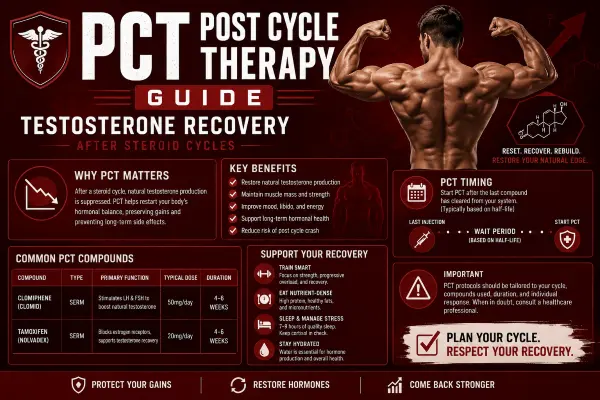
Post Cycle Therapy (PCT) is the recovery phase following an anabolic steroid cycle. Its primary goal is to restore natural testosterone production, regulate estrogen levels, and help preserve muscle mass gained during the cycle.
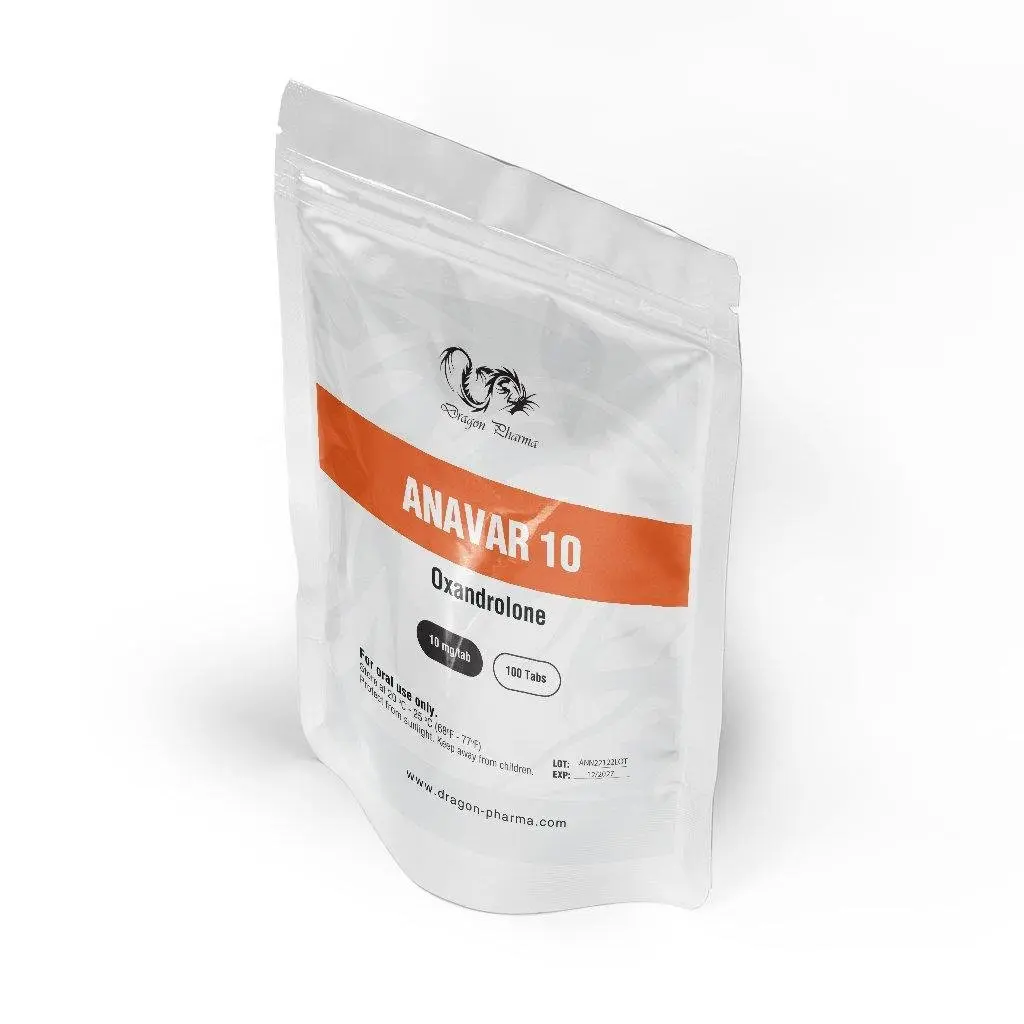
Steroids Half-Lifes, oral and injectables. Know when to start PCT according to this list.
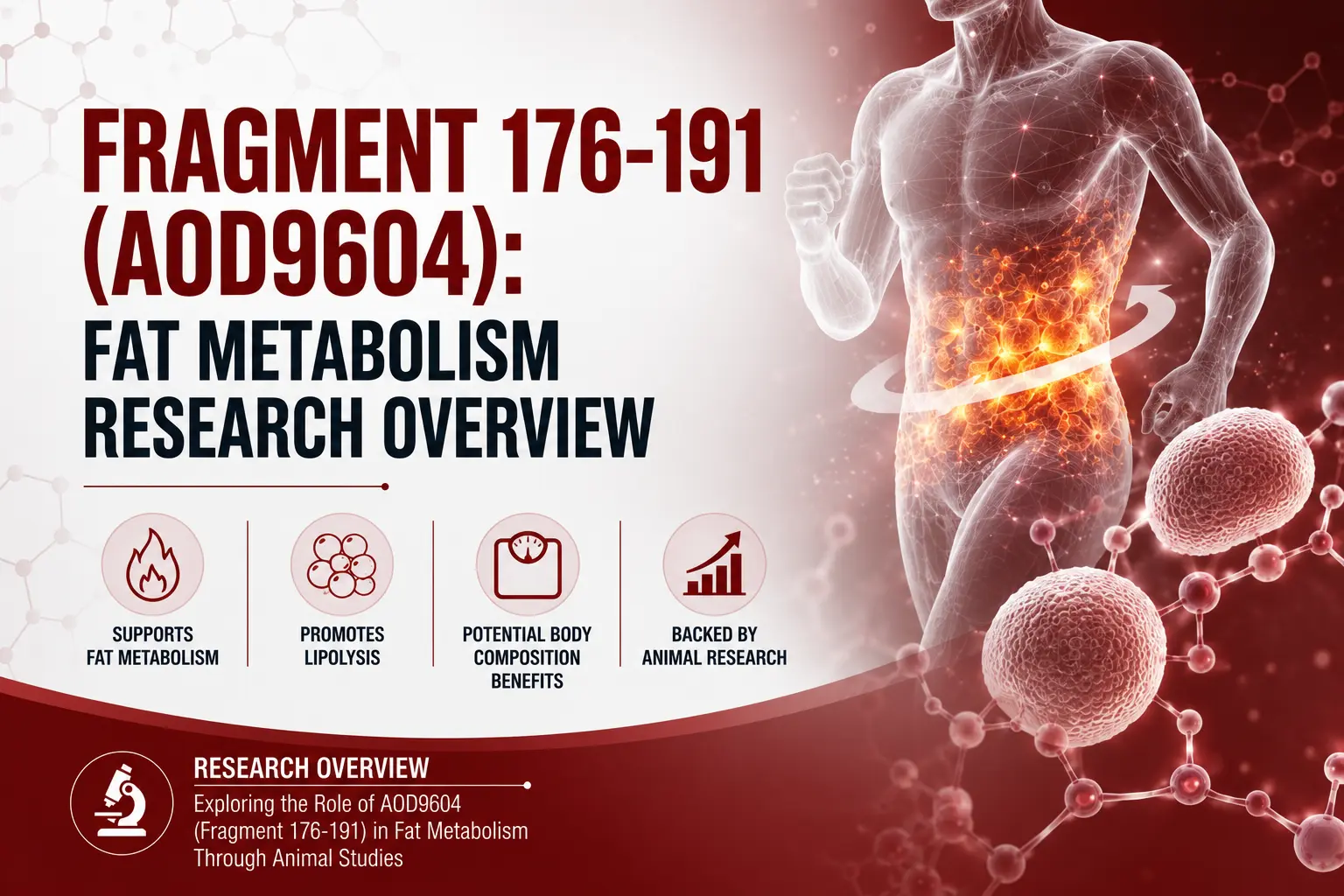
This article clarifies that relationship and organizes what's known about its proposed mechanism, evidence quality, and secondary research areas in cardiovascular and joint health.
Customer Reviews
Please leave your review on products or service below.
Thank you beforehand.