


Articles
This article organizes the receptor pharmacology, signaling mechanisms, and evidence base for each component, clarifies a common naming confusion in this compound class, and distinguishes human, animal, and in vitro findings throughout.
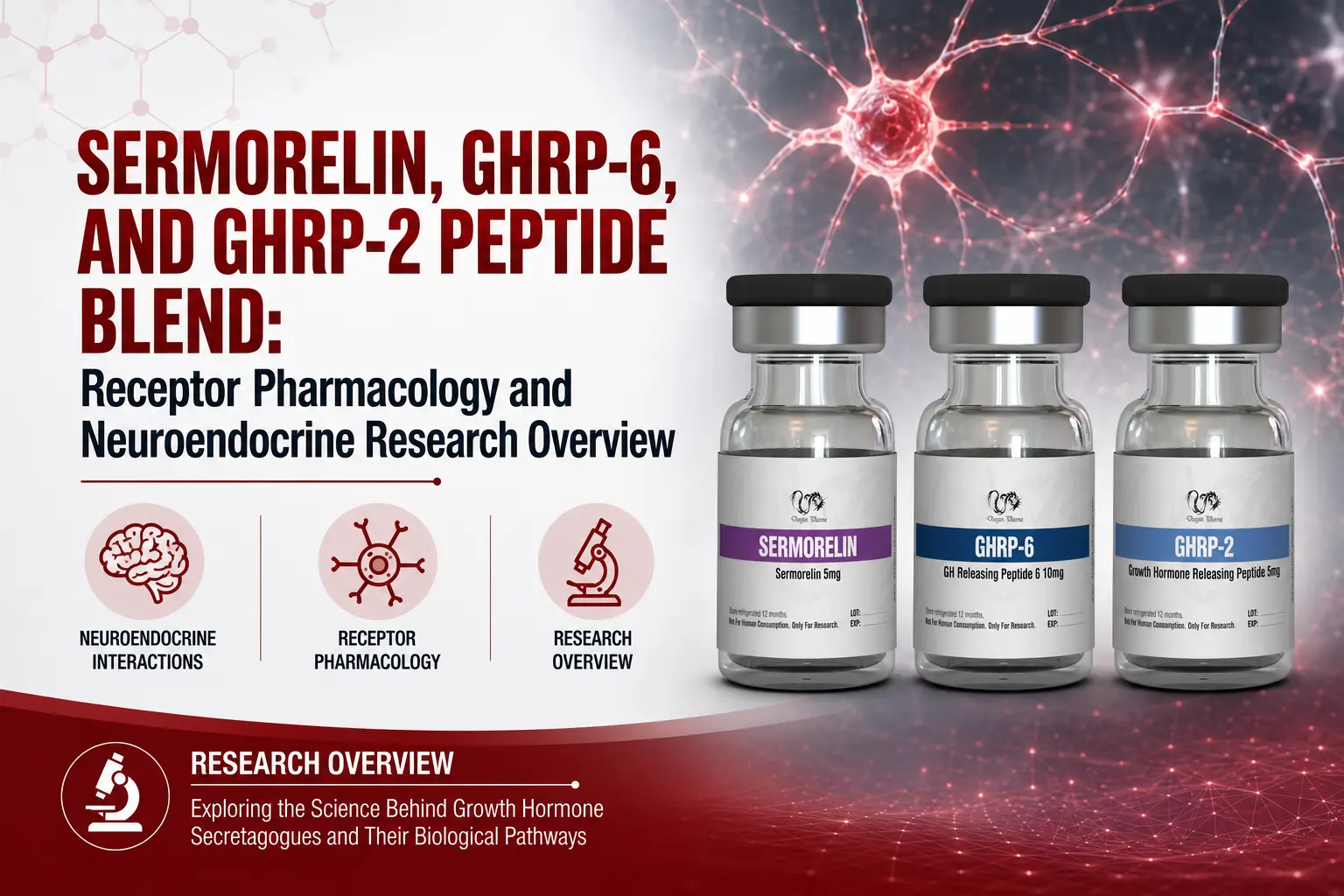
It combines a growth hormone-releasing hormone (GHRH) analogue with two growth hormone secretagogue receptor (GHS-R) agonists, enabling examination of parallel receptor engagement and downstream signaling coordination.
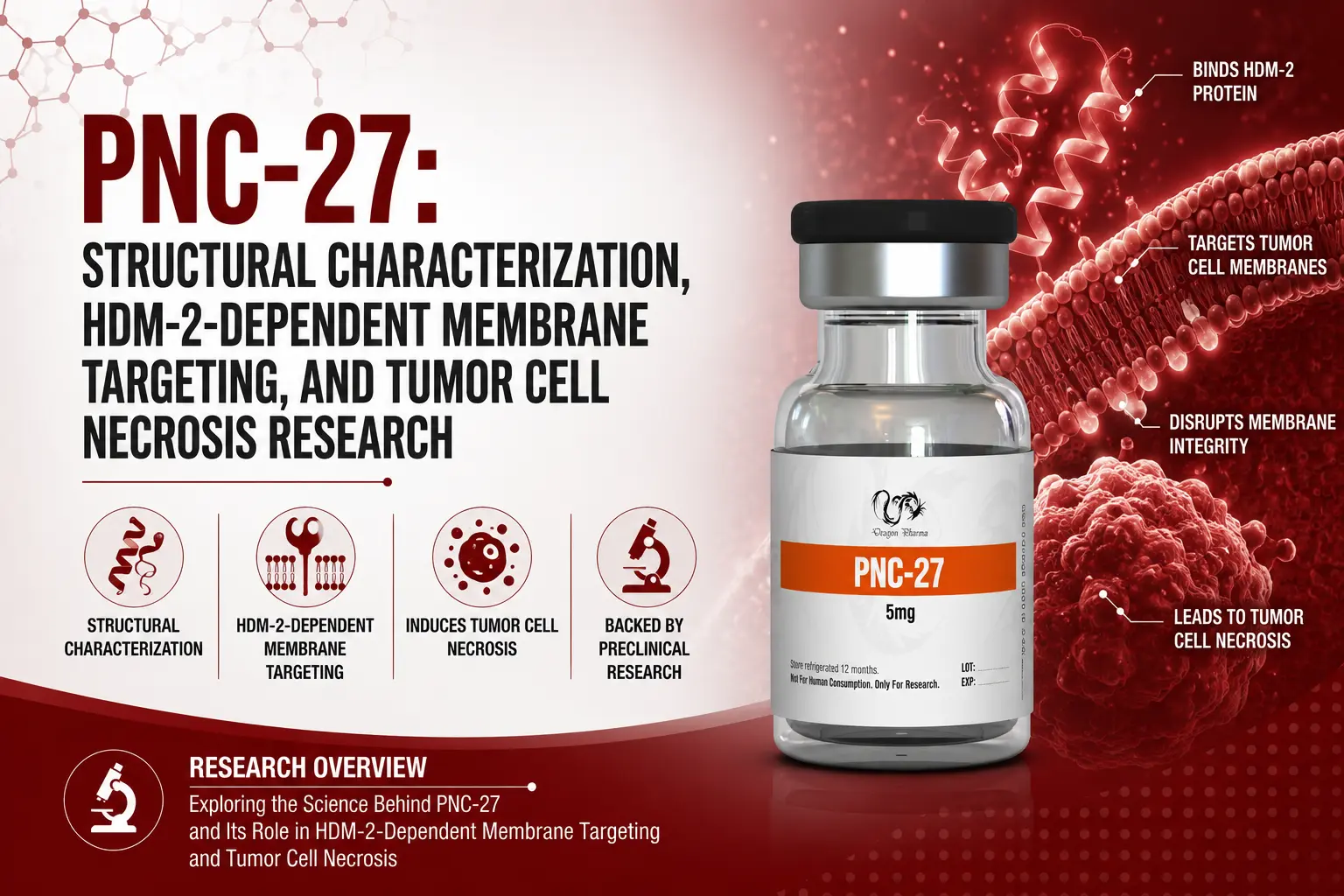
It combines an HDM-2-binding sequence from the p53 tumor suppressor protein (residues 12–26) with a cell-penetrating leader sequence derived from the Drosophila Antennapedia homeodomain protein.
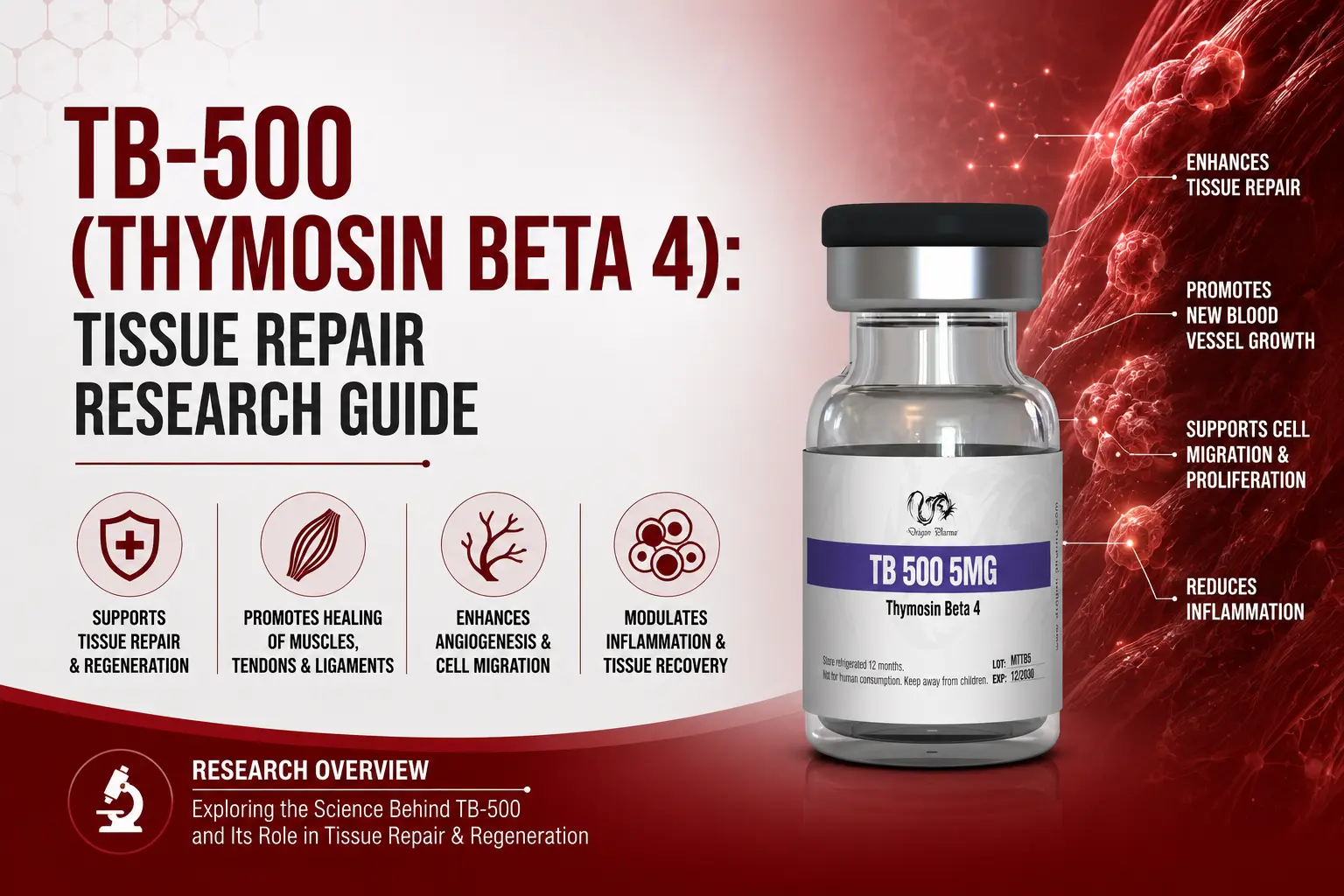
Although laboratory research has explored the potential biological functions of Thymosin Beta 4, TB-500 remains an investigational research compound and is not approved as a therapeutic treatment.

BPC-157 is a stable synthetic peptide developed from a naturally occurring protective compound found in human gastric juice, studied for reparative effects that extend well beyond the digestive tract.
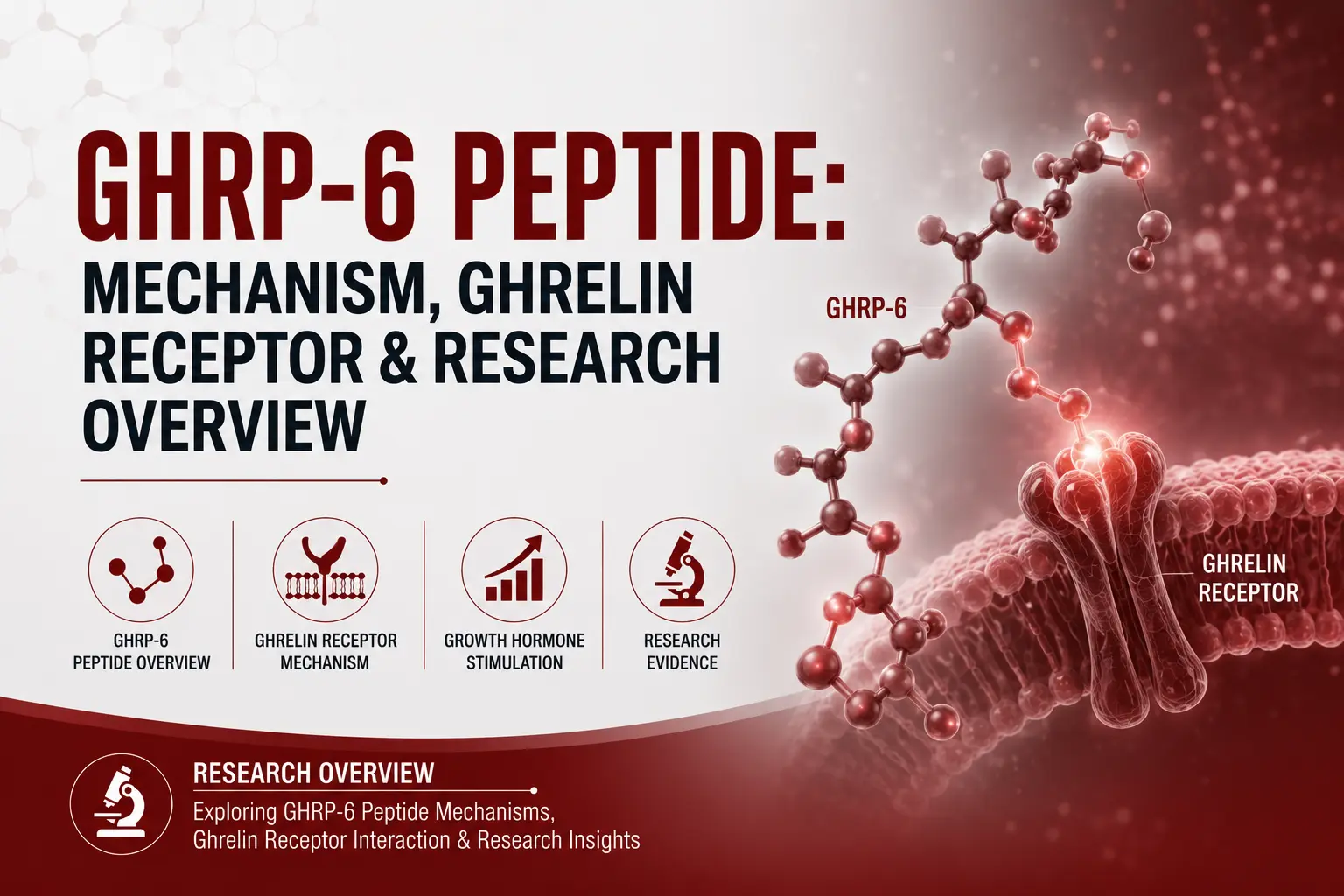
Research spans growth hormone/IGF-1 signaling, wound healing, antifibrotic liver studies, and broader cytoprotective effects. This article organizes GHRP-6's structure, proposed mechanism, and evidence base by research category.

This article clarifies that relationship and organizes what's known about its proposed mechanism, evidence quality, and secondary research areas in cardiovascular and joint health.

This article organizes the available research by mechanism and study type, distinguishing behavioral findings from molecular and vascular research.
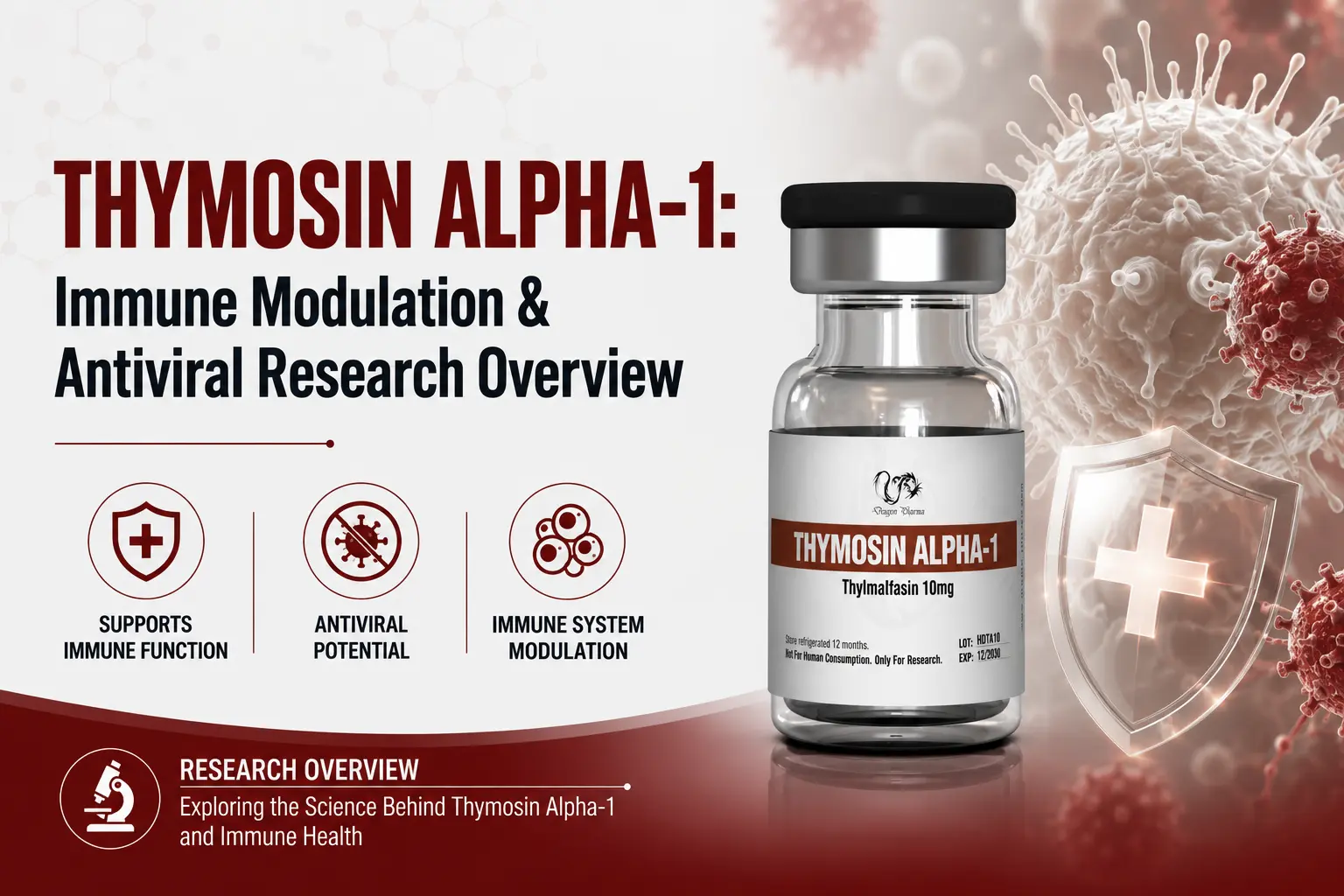
It has been researched across cancer, chronic infection, and immunodeficiency models. This article organizes its proposed mechanisms, immune targets, and evidence base by research category.
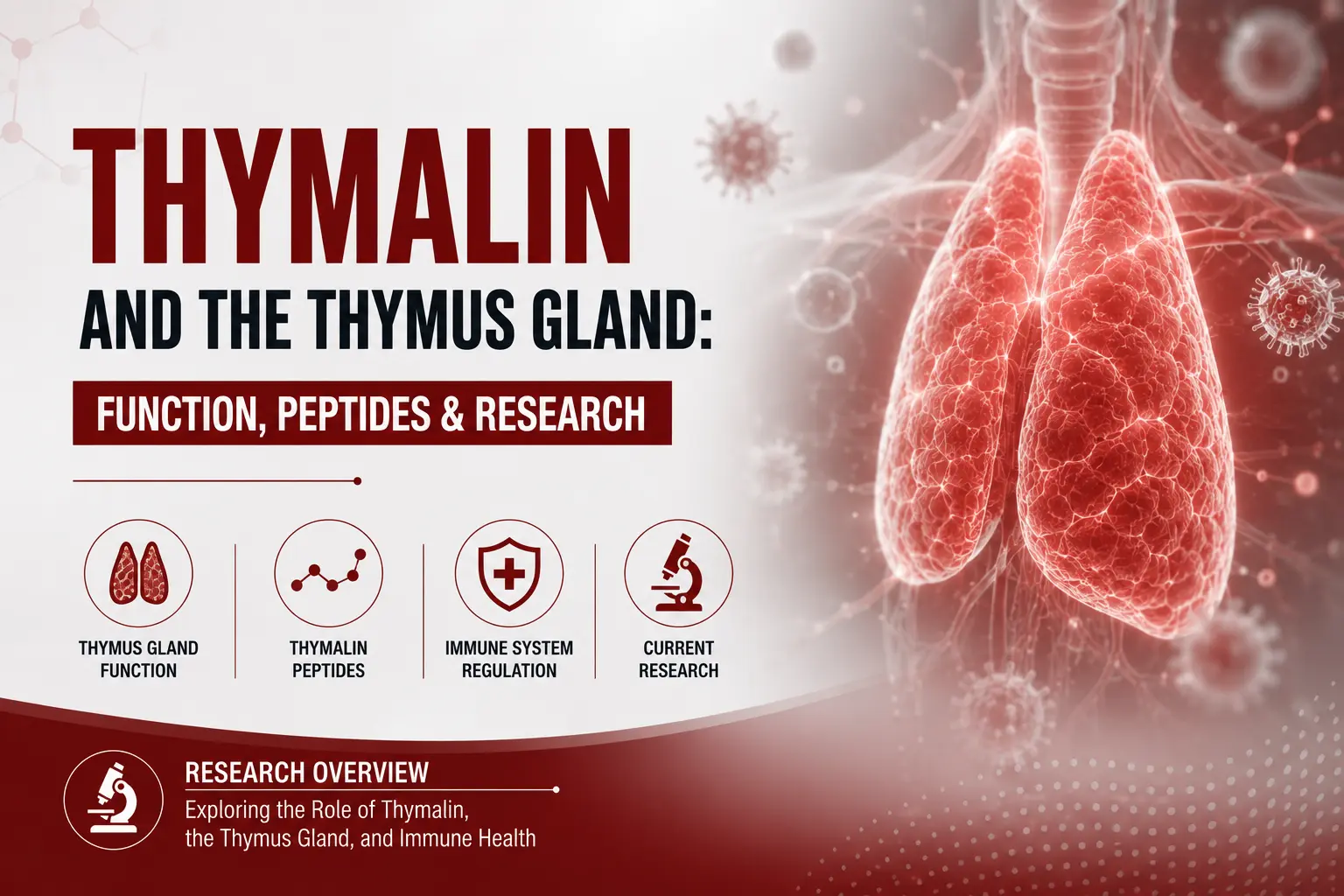
This article organizes what's understood about thymus biology, what causes thymic decline, and how researched peptides like Thymalin, TB-500, and Thymosin Alpha-1 relate to thymic function, along with the evidence quality behind each.

Best known for its role in skeletal muscle repair, MGF has more recently drawn research interest in neuroscience. This article reviews what transgenic mouse studies have found, the limitations of that evidence, and how MGF compares to related growth factors.
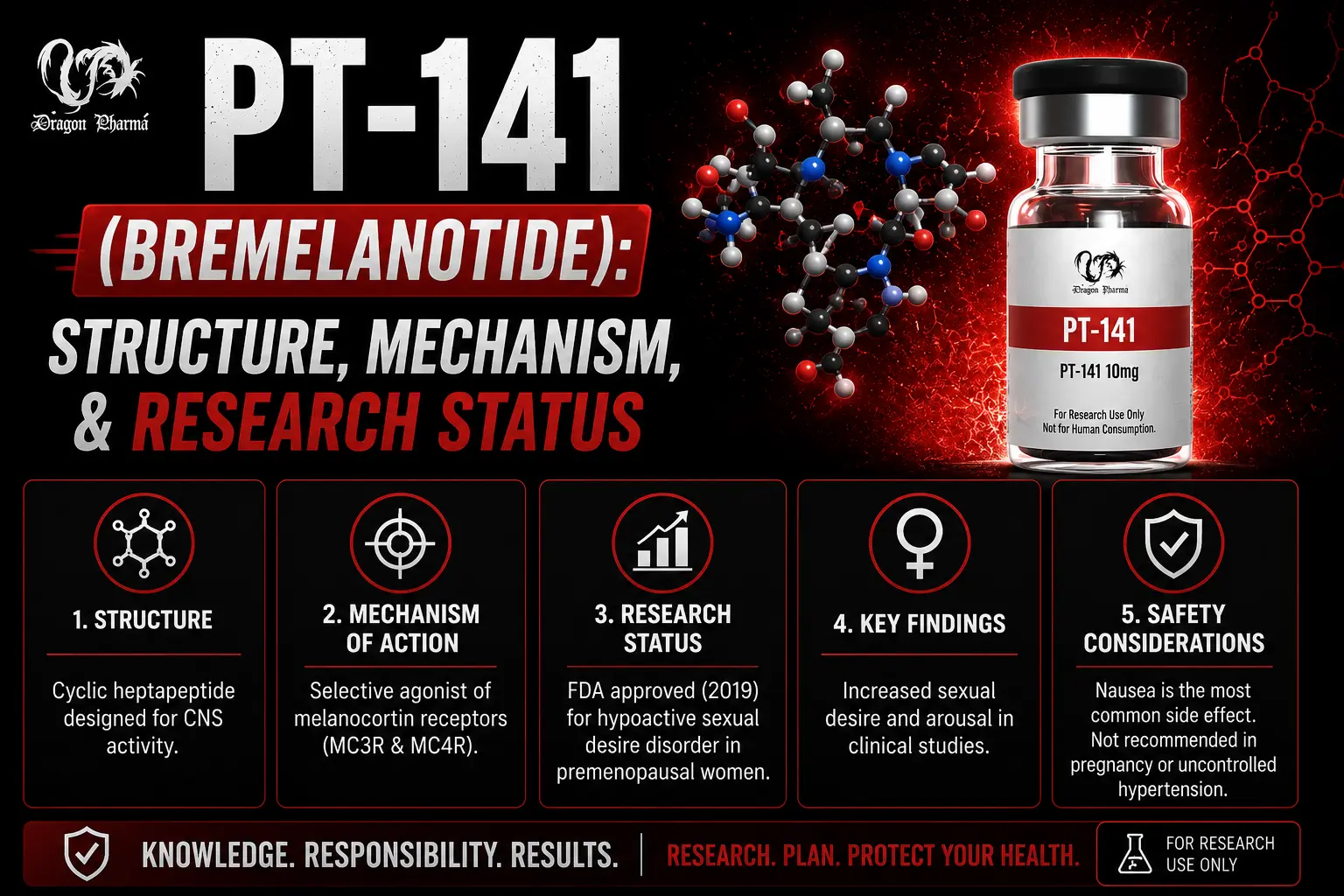
It was derived from Melanotan II and has been studied in both animal models and human clinical trials, distinguishing it from most research peptides, which lack human data. This article breaks down its chemistry, mechanism, evidence base, and how it compares to related compounds.
Customer Reviews
Please leave your review on products or service below.
Thank you beforehand.